The Causes of Wet Walls
There are several causes of wet walls. Before purchasing the device, please read this article carefully.

There are several causes of wet walls. Before purchasing the device, please read this article carefully.
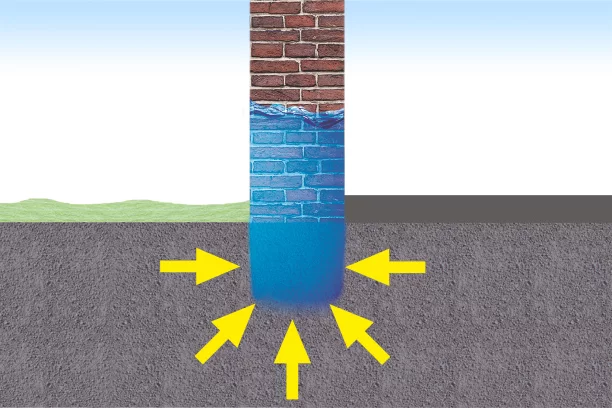
Example of rising damp
Walls absorb water from the ground like a sponge half immersed in water due to the capillary effect. This is caused by the lack of or damage to the insulation between the ground and the walls.
This is a classic situation where the GUARDIAN damp removal device is used. When turned on, it returns the wall dampness back to the ground.
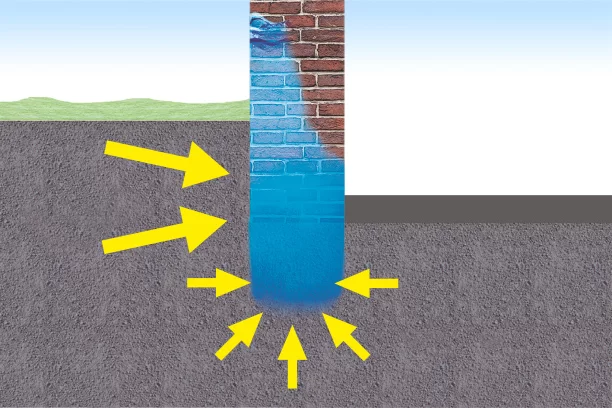
Example of lateral damp
A wall embedded in the ground has its exterior side in direct contact with the soil. If there is a lack of or poor (damaged) vertical sealing, the wall will absorb water on that side as well.
By installing the GUARDIAN damp removal device, the water from below will be drawn back from the walls and returned to the ground. As a result, the interior side of the wall will become dry, while dampness may still be present on the exterior side where it is in direct contact with the ground. Consequently, the duration of the drying process will depend on the soil conditions.
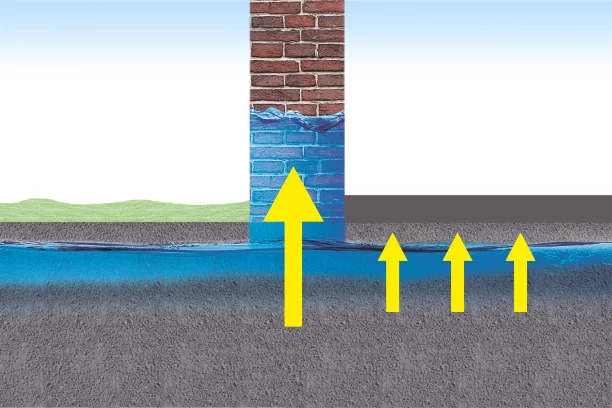
Example of groundwater under pressure
The object is situated on a site with groundwater, where water under pressure enters the wall from beneath. The basement often becomes damp (wet) due to a temporary or permanent increase in the groundwater level.
Since vertical sealing is not possible in this case, the effectiveness of drying the wall with the GUARDIAN damp removal device is reduced or prevented during rainy days when the groundwater level is high. In such situations, it is necessary, if possible, to redirect the groundwater through drainage. Once this is done, the GUARDIAN damp removal device will operate at full efficiency.
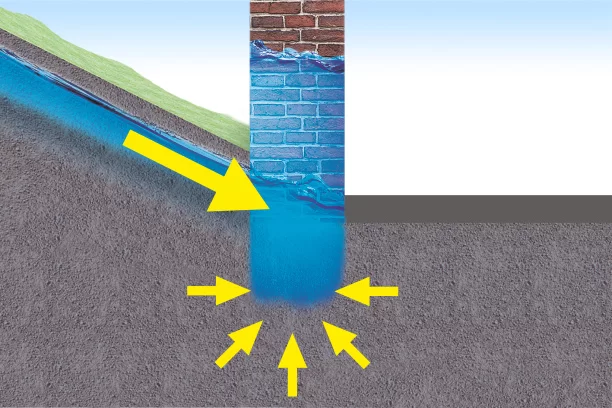
Example of lateral water under pressure
The object is located on a slope and water resistant layers in the soil push the damp laterally into the wall. The walls also have a rising damp problem. Unless the procedure of vertical sealing is undertaken, the wall will be waterlogged during rainy days.
In this case, the GUARDIAN damp removal device achieves its full drying impact only if the wall is vertically sealed and if drainage has been performed. Otherwise, the device will help to speed up the draining of the walls on days without rain.
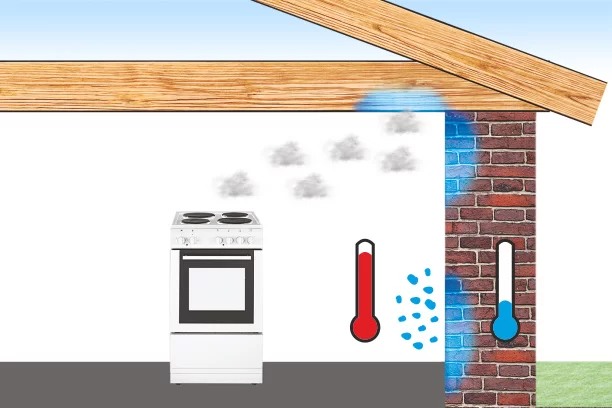
Example of condensation
Dampness absorbs into the walls when warm, moist air comes into contact with a cold wall surface. This is caused by insufficient thermal insulation, inadequate ventilation (especially in damp spaces), or excessive thermal insulation that prevents natural air circulation. Often, these issues can be easily resolved by regularly airing and ventilating the room.
In such situations, the GUARDIAN damp removal device cannot help, and you should consider using a classic air humidifier instead.
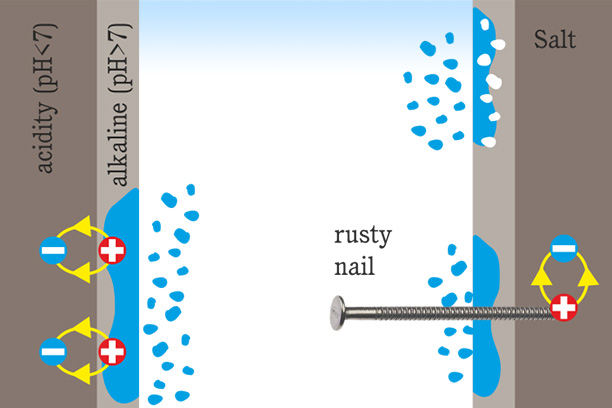
Example of hydroscopic dampness
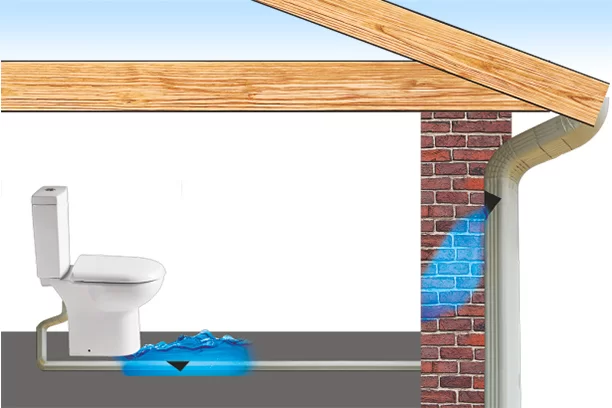
Example of damaged installations
Water penetrates the walls through damaged water or sewage pipes or through compromised roofing installations. These types of damage must be identified and repaired by trained professionals, as they will otherwise hinder the effectiveness of any drying method.
Unless the object also has a capillary rising damp problem, the device will not be effective in these situations.
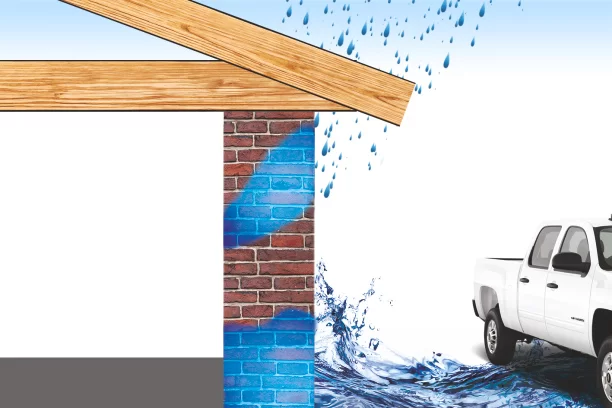
Example of water sprinkling and heavy rainfall
Light rain, moving vehicles, poorly installed irrigation systems, water sprinklers, etc., can lead to water damage at the base of objects. This can be prevented with appropriate protective measures.
Damage from heavy rainfall and wind can cause even more significant problems. This occurs when rain penetrates poorly protected walls and causes them to become saturated. The affected wall surfaces, especially those exposed to severe weather conditions, should be addressed with suitable interventions.
Unless the object also has a capillary rising damp problem, the device will not be effective in these situations.
This is the most common scenario for using the GUARDIAN damp removal device. Rising damp evenly affects all interior and exterior walls of the object.
The drying effect of the GUARDIAN damp removal device is comprehensive.
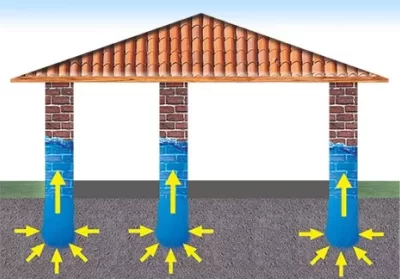
Before
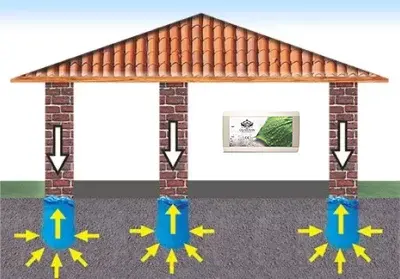
After
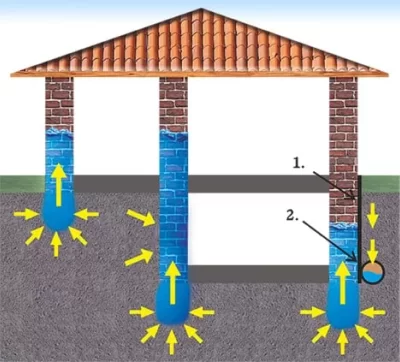
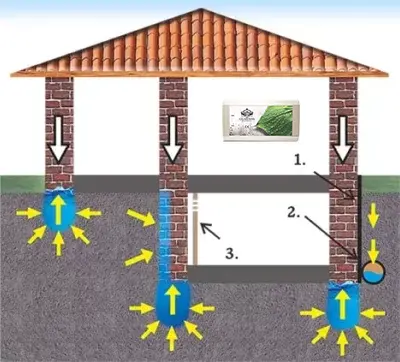
On the left exterior wall, water penetrates from underneath and laterally, causing damp to rise to a higher point than on the middle wall, where water penetrates only from underneath. On the right exterior wall, vertical sealing (a bitumen layer with protective foil) and a drainage pipe have been installed. As a result, damp cannot penetrate laterally, but the wall remains damp due to rising damp from underneath.
The right wall functions as a detached wall due to the vertical sealing, resulting in complete drying effects from the GUARDIAN damp removal device, similar to the middle wall. However, for the left exterior wall, the effect would be diminished due to lateral water penetration. In most cases, the interior side of the walls would be dry, but dampness would increase toward the exterior side of the walls, depending on the soil conditions.
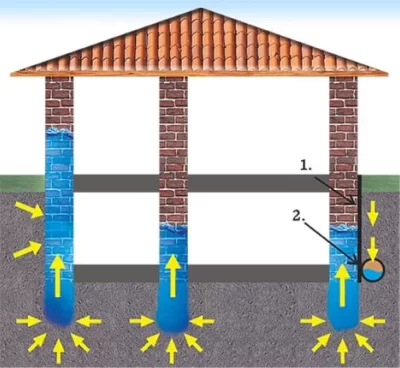
Before | 1. vertical sealing; 2. drainage pipe
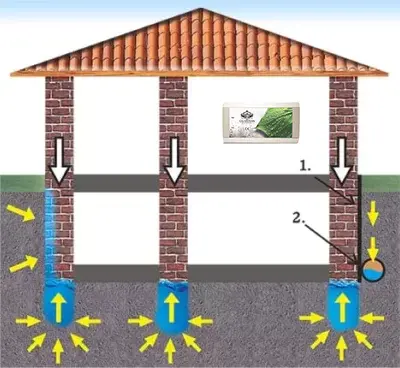
After | 1. vertical sealing; 2. drainage pipe
In this case, the right exterior wall is vertically sealed but remains damp due to rising damp from beneath. The middle wall, which is fully embedded in the ground, is completely waterlogged. Vertical sealing cannot be applied to this wall as its exterior surface is underneath the house foundations and is not accessible.
The GUARDIAN damp removal device can fully dry the left wall and the right, vertically sealed, exterior wall. The middle wall in the basement can only be dried from the interior side, while dampness will persist on the exterior part of the wall that is in direct contact with the soil.
If the walls in that room need to be completely dry, a baffle (drywall) can be installed. The interior coating will remain dry as it does not come into contact with the soil, and the GUARDIAN damp removal device will ensure that the air in the interspace remains dry, preventing the growth of mould.
Before | 1. vertical sealing; 2. drainage pipe
After | 1. vertical sealing; 2. drainage pipe
Due to the heavy lateral pressure of water, exterior walls can become completely waterlogged. It is essential to perform vertical sealing to achieve the full drying effect with the GUARDIAN damp removal device. Additionally, drainage can be implemented at the lower edge of the property to remove the water pressure.
In this example, vertical sealing and drainage have been applied to the right exterior wall, making it less wet than the unprotected left wall. As a result, the right wall is exposed to rising damp only from beneath. With the lateral water pressure no longer affecting it, the GUARDIAN damp removal device can fully eliminate the damp. In contrast, the left unprotected wall will be dry only up to the level of the slope, while the portion of the wall in contact with the ground will remain damp. Vertical sealing should always be performed by a specialized company to ensure that the damp does not reoccur in the future due to the sealing losing its effectiveness.
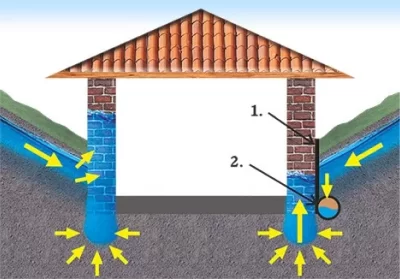
Before | 1. vertical sealing; 2. drainage pipe
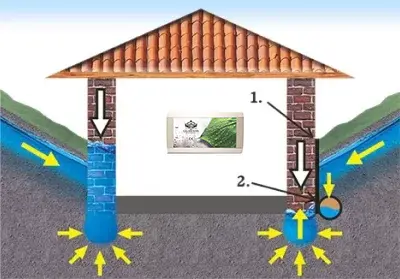
After | 1. vertical sealing; 2. drainage pipe