A wall can feel cold long before it looks wet. By the time paint bubbles, plaster flakes or a musty smell fills the room, moisture may already have been moving through the masonry for months. Knowing how to identify wall moisture early helps you protect the structure, the finish and the comfort of the property.
The key is not to treat every damp patch as the same problem. Rising damp, condensation, plumbing leaks and rain penetration can all leave marks on walls, but they start in different places and need different action. A dehumidifier may reduce damp air, for example, but it will not stop water being drawn up from the ground into a wall.
Start with the height of the damp mark
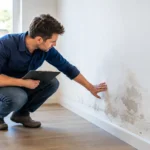
The position of the moisture is one of the strongest clues. Rising damp normally begins at ground level and travels upwards through brick, stone or mortar. Look closely at ground-floor walls, basement walls and lower walls in raised ground-floor rooms.
A typical rising-damp pattern appears as a band of damage from the skirting area upwards. It is often uneven, but usually stays below around 1.5 metres. You may see peeling paint, loose wallpaper, crumbling plaster or a darker area that feels colder than the surrounding wall.
Moisture high on a wall or around a ceiling is less likely to be rising damp. That pattern points more towards a roof defect, overflowing gutter, failed flashing, leaking pipe or condensation. The source still needs attention, but the diagnosis changes.
How to identify wall moisture by its warning signs
Do not rely on one symptom alone. A damp wall often gives several signals at once, and their combination matters more than any single stain.
Salts, blistering paint and damaged plaster
When ground moisture moves through masonry, it can carry salts from the soil and building materials. As the water reaches the inner surface and evaporates, the salts remain. White, powdery deposits or hard, crystalline marks near the bottom of a wall are a common warning sign.
Paint may blister, wallpaper can lift, and plaster may become soft or break away in patches. This is not simply cosmetic damage. It shows that moisture has been active within the wall fabric. Decorating over it without resolving the cause usually means the finish will fail again.
Cold, damp-feeling lower walls
Place the back of your hand against several areas of the wall, including a dry-looking section nearby. A moisture-affected area can feel noticeably colder. This is because evaporation draws heat from the surface.
A cold wall alone does not prove rising damp. External solid walls can naturally feel cool in winter, especially in older homes. But coldness combined with low-level staining, salts and failing plaster is a much clearer indication that moisture is present.
Musty odours and mould growth
A persistent earthy or fungal smell deserves investigation, even where no obvious patch is visible. It can indicate damp material behind furniture, under skirting boards or beneath damaged plaster.
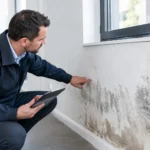
Mould needs moisture, but its location helps distinguish the cause. Black mould around window reveals, in room corners or behind wardrobes is often linked to condensation and poor air movement. Damage concentrated at the foot of a ground-floor wall is more consistent with moisture entering the masonry from below.
Skirting boards and floors that show distress
Check timber skirting boards, door frames and flooring beside the wall. Wood can swell, soften, discolour or show fungal damage where it has been exposed to persistent moisture. Carpet edges may feel damp or smell stale.
Move furniture away from the wall before inspecting it. A bookcase, sofa or storage unit can hide a serious patch while also reducing airflow and making surface condensation worse. Look for a consistent damp line rather than assuming the furniture caused the problem.
Rule out the other common causes
Good diagnosis prevents wasted money. Before treating a wall as rising damp, inspect the building inside and out for other routes that water could take.
A plumbing leak may create a localised damp patch that grows regardless of its height. Check nearby radiators, pipework, bathrooms, kitchens and appliances. If a water meter continues to move when all taps and water-using appliances are off, seek professional advice promptly.
Rain penetration often becomes worse after heavy weather. Look outside for cracked render, damaged pointing, blocked gutters, overflowing downpipes, broken roof tiles or soil and paving built too high against the wall. A penetrating-damp patch commonly follows a defect on the external face and may appear at any height.
Condensation is usually seasonal and surface-led. It is most common in kitchens, bathrooms, bedrooms and poorly ventilated rooms, particularly when windows stream with water in the morning. Better extraction, sensible heating and steady ventilation can reduce it. However, these measures do not stop genuine rising damp within a ground-level wall.
Use a moisture meter carefully
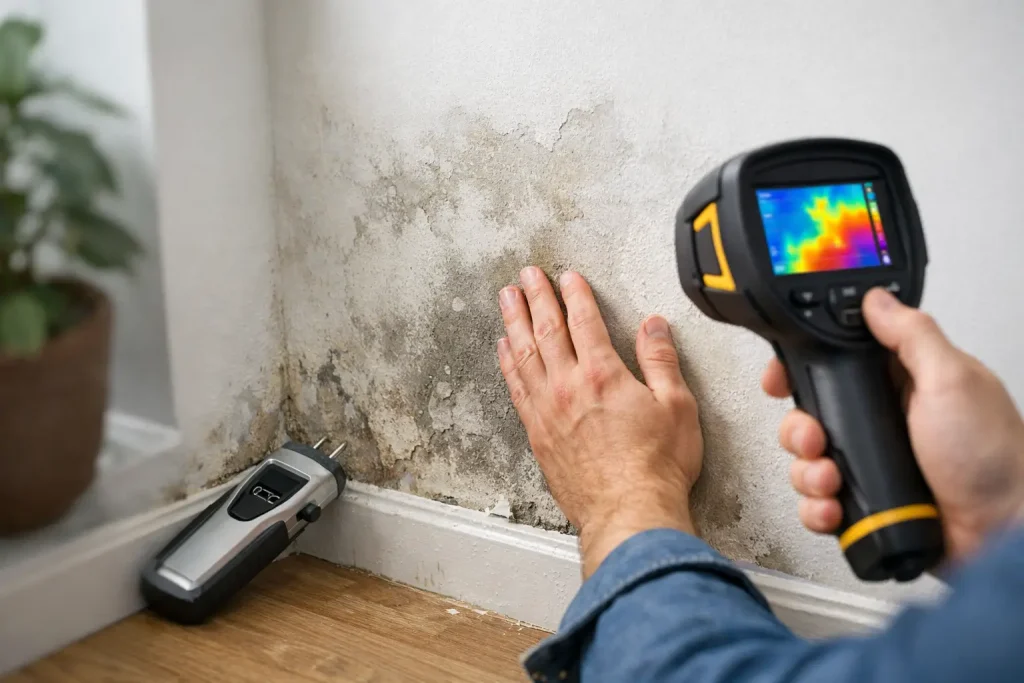
A handheld moisture meter can be useful for comparing readings across a wall. Test at several heights: near the skirting board, around 500 mm above floor level, then higher still. A pattern of higher readings low down that reduce with height can support a rising-damp diagnosis.
Treat the meter as an indicator, not a verdict. Many meters react to salts in plaster, and salts may remain after a wall has started to dry. Different wall materials also give different readings. Record what you find, note the date and compare the same points over time rather than relying on one number.
Avoid drilling holes or removing large areas of plaster just to investigate unless you know what you are doing. Electrical cables and pipework may be concealed in walls. If there is any concern about electrical safety, isolate the area and use a qualified professional.
Check the outside ground level
The external ground should not bridge the building’s damp-proof course. As a general guide, the outside ground level should sit at least 150 mm below it. If soil, paving, decking or a flower bed has been raised against the wall, it may create a route for moisture to bypass the protection.
Older properties may have no effective damp-proof course, or one that has deteriorated. This does not mean every old wall is damp, but it makes lower-wall inspection especially worthwhile. Also make sure gullies and drains are clear, as standing water beside a wall increases the moisture load on the building.
What to do when rising damp looks likely
First, correct obvious external defects and plumbing leaks. There is little value in treating wall moisture while a gutter pours water onto the masonry or a pipe continues to leak.
If the signs point to rising damp, focus on stopping moisture movement through the wall rather than merely drying the room air. GUARDIAN damp removal devices are designed for this purpose, working continuously to address the electrical-potential difference associated with moisture travelling from soil into masonry. The right model depends on the size and type of property, while placement should be central to the area needing coverage and connected to a suitable mains supply.
Drying is gradual. A wall that has held moisture for a long time will not become dry overnight, and salts or damaged plaster may still need remedial attention after the wall has dried. Keep the device operating continuously, allow normal ventilation and monitor the same marks, odours and meter points over the following months.
Do not hide the evidence too soon with fresh paint or wallpaper. Let the wall show you whether conditions are improving. A dry, stable lower wall is easier to repair properly and far less likely to return as an expensive surprise behind your next redecoration.