A damp patch at the bottom of a wall is not just a cosmetic problem for the people living with it. It can make a bedroom feel cold, spoil decorating, create a persistent musty smell and leave tenants wondering whether their home is safe. So, does rising damp affect tenants? Yes. It can affect comfort, wellbeing, belongings and the day-to-day enjoyment of a rented property.
For landlords and property managers, the key is to act on the cause rather than repeatedly covering the symptoms. A dehumidifier may remove moisture from the air, but it cannot stop ground moisture travelling upwards through masonry. Where rising damp is the problem, the wall itself needs attention.
How rising damp affects tenants
Rising damp occurs when moisture from the ground moves up through porous brickwork, mortar or plaster. It is most often seen on ground-floor walls and lower-level rooms. The damage commonly rises from floor level to around 1.5 metres, although the visible height can vary with the wall, salts and ventilation conditions.
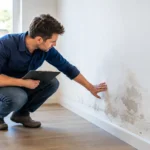
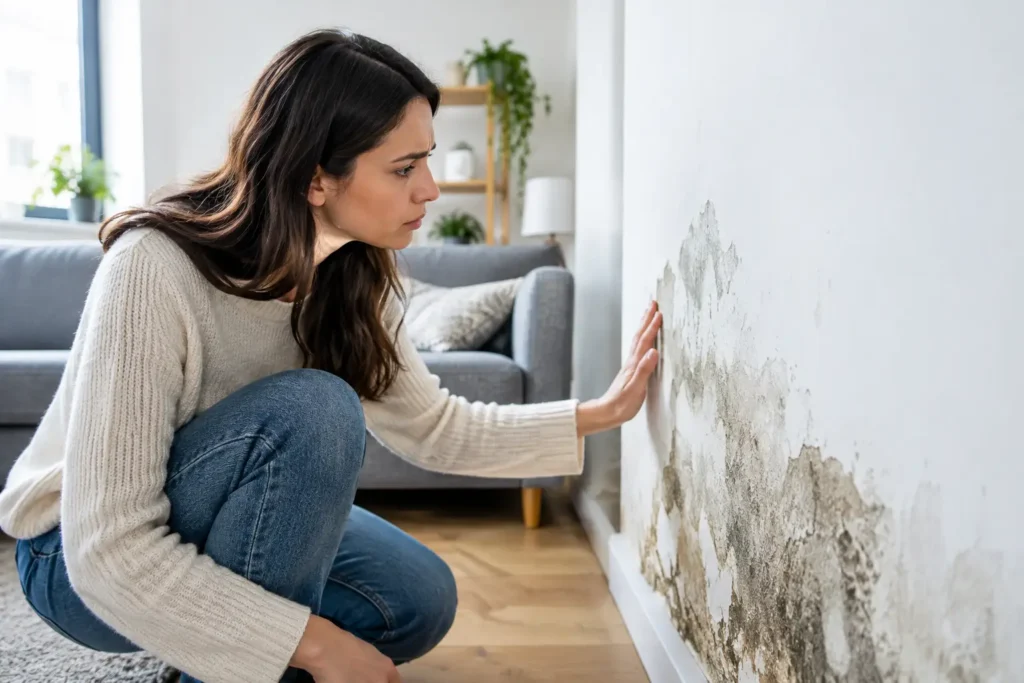
To a tenant, the effects are immediate. Walls can feel cold and clammy. Paint may bubble or peel, wallpaper can lift, and plaster can become soft, crumbly or stained. White, powdery salt deposits may appear on the wall surface. Furniture placed against affected walls can become damp, while clothes, bedding and soft furnishings may take on a stale odour.
These conditions can also make a home harder and more expensive to heat. A damp wall loses heat more readily than a dry one, so a tenant may turn the heating up without ever feeling properly comfortable. That is particularly frustrating in a small ground-floor flat, a basement room or an older house with solid walls.
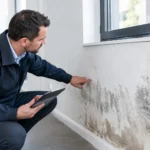
Mould is a separate issue from rising damp, but the two can appear together. Moisture in building materials creates conditions in which mould may grow, particularly where the room is cool and poorly ventilated. Mould can irritate the eyes, skin and airways, and may be more troublesome for people with asthma, allergies or existing respiratory conditions. Young children and older people can be especially affected by poor indoor conditions.
Is it rising damp or ordinary condensation?
This distinction matters. Not every damp wall is caused by moisture rising from the ground. Condensation happens when warm, moisture-laden air meets a cold surface. It is common around windows, in bathrooms, behind wardrobes and in rooms where clothes are dried indoors. Leaks, blocked gutters, damaged pointing and plumbing faults can also produce damp patches.
Rising damp has a more recognisable pattern. Look for damage concentrated at the bottom of a ground-floor wall, peeling finishes, salt marks and deterioration that follows a horizontal line upwards. A musty smell may be present, but smell alone is not a diagnosis.
Tenants should report the signs promptly and keep a clear record of when they appeared, where they are located and whether they are worsening. Photographs taken over several weeks can help show a pattern. Landlords should inspect rather than assume that opening a window or running a dehumidifier will solve the issue.
A proper assessment should also rule out leaks, rain penetration and condensation. Treating the wrong source wastes money and leaves tenants living with the problem for longer.
What should tenants do when they spot damp?
The first step is simple: report it in writing to the landlord or managing agent. Describe the location, the visible damage and any practical effects, such as mould on belongings, a cold bedroom or plaster falling away. Keep copies of messages and photographs.
Tenants should continue normal, sensible ventilation and heating where possible, but they should not be blamed for a wall that is drawing moisture from the ground. Opening windows can reduce airborne humidity. It cannot stop water travelling through the masonry beneath a property.
Avoid pressing wardrobes, beds and sofas tightly against damp external walls, as this can restrict airflow and hide deterioration. If mould is present, small surface areas may be cleaned carefully using an appropriate product and protective gloves. However, cleaning should never be presented as a repair. If the wall remains wet, the mould is likely to return.
Where the problem is severe, rooms are affected by extensive mould, or plaster is loose and falling, tenants should make this clear in their report. They should also seek independent housing advice if the landlord fails to investigate or if living conditions are affecting health. Responsibilities and enforcement routes vary across England, Scotland, Wales and Northern Ireland, so local advice is useful for tenancy-specific questions.
What landlords need to do about rising damp
Landlords have a practical duty to keep the structure of a rented home in good repair. In most cases, that includes external walls, damp protection and the fabric of the building. More importantly, prompt action protects the property as well as the tenancy. Left untreated, persistent damp can damage plaster, timber finishes, decorations and tenant confidence.
Start with diagnosis. Check the location and height of the damp, inspect for plumbing leaks and rainwater defects, and assess ventilation. If the signs point to moisture rising through masonry, choose a remedy designed to address that movement at source.
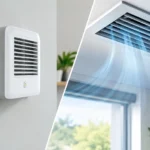
This is where the difference between moisture control and rising-damp control becomes important. Air dehumidifiers can be useful for temporary condensation management, laundry drying or humid rooms. They collect water from the air. They do not alter the moisture already being drawn into a wall from the ground, and they can add ongoing electricity use, noise and emptying duties for tenants.
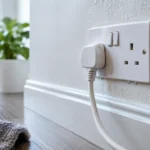
An electronic rising-damp system is designed for a different job. GUARDIAN devices work continuously to counter the electrical-potential difference associated with moisture movement in masonry, allowing existing wall moisture to return downwards through gravity as the building dries. The principle is easier to picture than it sounds: static electricity can make hair cling to a brush; small electrical forces can influence how moisture behaves in a wall.
For landlords, this offers a non-invasive option where suitable. It avoids major disruption to tenants and does not require walls to be stripped out as part of the installation. Device choice depends on the building footprint and required coverage. A family house needs different coverage from a larger block, mixed-use property or commercial premises.
Drying takes time, and tenants should know that
Stopping the source of rising damp is the essential first stage. It does not make a saturated wall dry overnight. Masonry, plaster and finishes need time to release retained moisture. The exact drying period depends on wall thickness, construction, salt contamination, heating, ventilation and how long the damp has been present.
This expectation should be explained clearly to tenants. They may still see staining or damaged plaster after the moisture movement has been addressed. Decorative repairs should usually wait until the wall has had time to dry properly. Repainting too soon can trap problems beneath a fresh surface and lead to another failed finish.
During this period, reasonable heating and ventilation help create better indoor conditions. Landlords should monitor the affected areas, communicate the plan and arrange repairs to plaster and decoration at the right stage. Clear communication matters: tenants are far more likely to cooperate when they understand that drying is a process, not a lack of action.
Can rising damp make a property difficult to let?
Yes. Prospective tenants notice damp smells, stained walls and mould quickly. Even where the building is structurally sound, visible damp suggests neglect and can undermine confidence in the whole property. Existing tenants may also be more likely to complain, request early release or leave at the end of the tenancy.
There is a financial trade-off in every repair decision. Repainting and running a dehumidifier may appear cheaper in the short term, but repeated cosmetic work does not remove moisture from a rising-damp wall. A source-led solution can reduce repeat damage, avoid disruptive works and help protect rental income over time.
Does a tenant have to prove the cause of damp?
No. A tenant should report the symptoms clearly, but identifying the cause is normally a landlord’s responsibility. A proper inspection should distinguish rising damp from condensation, leaks and rain penetration before work is chosen.
Can tenants be blamed for mould caused by rising damp?
Daily habits can contribute to condensation, but they do not cause groundwater to travel up through masonry. Each case needs a fair assessment. Blaming occupants without investigating the wall and building fabric is not a solution.
Should a landlord replace a dehumidifier with a rising-damp treatment?
It depends on the diagnosis. A dehumidifier can still have a place in a humid room, but it is not a substitute for treating true rising damp. The right approach starts with the source of the moisture.
A tenant should not have to accept cold, damaged walls as part of renting a home. Deal with the evidence early, confirm the cause and give the building time to dry properly. That protects the property, but it also gives people something more valuable: a dry, comfortable place to live.