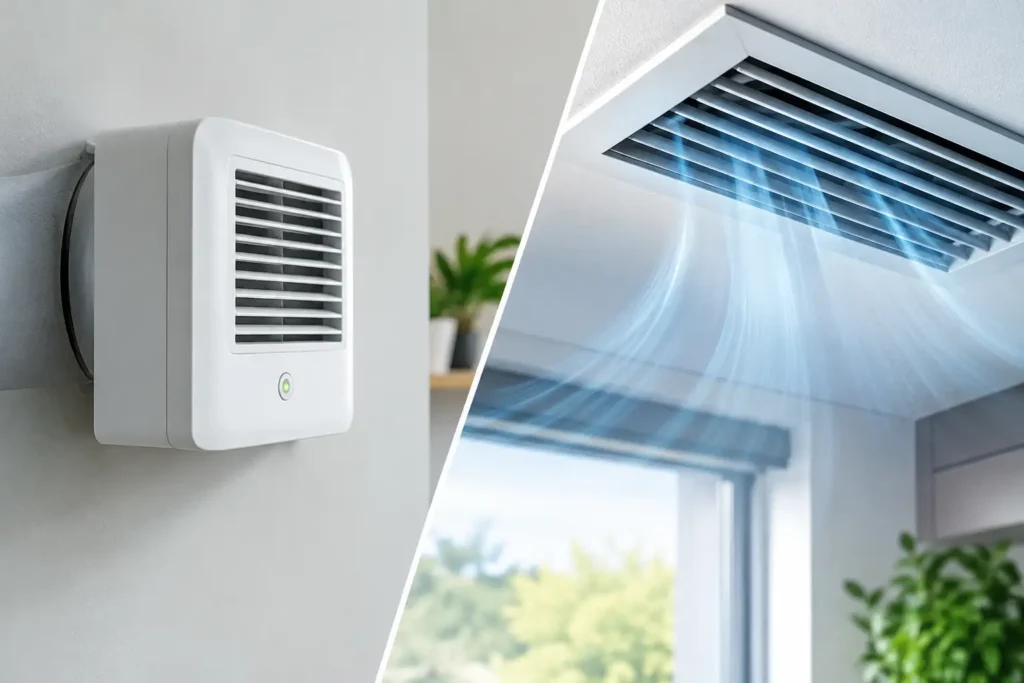
A bathroom fan can clear steam. Opening a window can reduce stale, humid air. But neither will stop moisture climbing from the ground into a wall. That is the key difference in electronic damp control vs ventilation: they deal with different moisture problems, and choosing the wrong one can leave damp walls untreated for years.
If plaster is crumbling, salts are appearing, paint is lifting or a wall feels cold and damp up to around 1.5 metres from floor level, do not assume the property simply needs more airflow. First identify where the moisture is coming from.
Electronic damp control vs ventilation: the real difference
Ventilation manages moisture in the air. It replaces humid indoor air with fresher outside air, helping water vapour leave the building. This makes it useful for condensation caused by cooking, showering, drying clothes indoors and everyday living.
Electronic damp control is intended for rising damp. Rising damp occurs when moisture from soil travels upwards through porous brickwork, mortar and masonry. The process is linked to an electrical-potential difference between the ground and the wall. An electronic damp control device works continuously to counter this effect, allowing moisture already in the wall to return to the ground through gravity as the masonry dries.
Think of ventilation as opening the door to let steam out of a kitchen. Electronic damp control is aimed at stopping ground moisture entering the wall in the first place. One does not replace the other when both issues exist.
What ventilation can and cannot do
Good ventilation matters in every occupied property. Extractor fans, trickle vents and regular airing reduce condensation risk and help rooms feel fresher. In kitchens, bathrooms, laundry spaces and crowded flats, it can make a noticeable difference quickly.
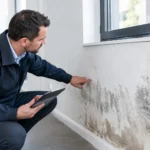
It is particularly effective where moisture appears on windows, mirrors and cold surfaces after daily activities. If mould is concentrated around window frames, in upper corners of rooms or behind furniture against an external wall, condensation may be a major factor. Improving extraction and heating habits is often the correct first step.
However, ventilation does not remove water that is already travelling through masonry from below ground level. A wall affected by rising damp may dry a little at the surface during warmer, breezier weather, yet remain wet within. More ventilation can mask the symptom without addressing the source.
There is also a practical limit. Leaving windows open is not a year-round damp strategy in Britain. It can make rooms colder, increase heating demand, create security concerns and still fail to deal with a wet wall. Mechanical ventilation is valuable, but it should be used for the job it is designed to do.
When electronic damp control is the better fit
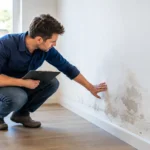
Electronic damp control is suitable when the evidence points to moisture rising from the ground. The warning signs are usually found on ground-floor walls, basement areas or elevated ground-floor spaces rather than high on a wall or ceiling.
Look for a combination of the following signs:
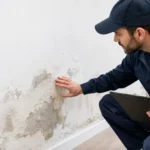
- Damp staining, bubbling paint or damaged plaster beginning near floor level
- White, powdery salts on brickwork, plaster or internal finishes
- A musty or fungal odour close to an affected wall
- Skirting boards, wallpaper or plaster deteriorating along the lower section of a wall
- Visible moisture damage rising to roughly 1.5 metres above ground level
These signs need sensible investigation. A leaking pipe, failed gutter, bridging outside ground levels or poor drainage can also wet a wall. Fix obvious defects first. Electronic damp control is not a substitute for repairing a leak or clearing a blocked rainwater system.
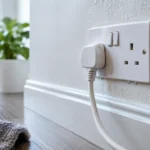
Where rising damp is confirmed, a plug-in electronic device offers a non-invasive alternative to disruptive chemical injection or extensive wall work. There is no need to drill a line of holes through internal walls, remove large areas of plaster or wait for contractors to complete a major treatment programme. The device is positioned correctly, connected to power and left to operate continuously.
Why a dehumidifier is not the same solution
A dehumidifier removes water from the air. It can make a room more comfortable and may help reduce surface condensation, especially while clothes are drying or after decorating. But it does not stop moisture entering masonry from the ground.
This is where many property owners waste money. They run a dehumidifier constantly, empty the tank every day and see temporary improvement, only for damp patches, salts and failing plaster to return. The machine is collecting airborne moisture after it has evaporated from surfaces. It is not preventing the source of rising damp within the wall.
For a property with both rising damp and high indoor humidity, the sensible approach may be to use both methods for their proper roles. Deal with rising damp at the wall source, then manage cooking, bathing and drying moisture through suitable ventilation. A dehumidifier can provide short-term support during the drying period, but it should not be mistaken for a permanent rising-damp remedy.
Drying takes time after the source is addressed
A damp wall does not become dry overnight. Masonry, plaster and finishes can hold a considerable amount of moisture. Once the source of rising damp is controlled, existing moisture needs time to move back through the wall and evaporate naturally.
The drying period depends on wall thickness, construction, salts, temperature, ventilation and how long the wall has been wet. Do not rush to repaint or replaster immediately. Sealing in a damp wall can trap moisture and lead to more peeling, staining and disappointment.
Keep rooms reasonably heated, use normal ventilation for everyday humidity and allow the device to operate without interruption. As the wall dries, damaged decorative finishes may still need repair. Treating the cause first gives those repairs a far better chance of lasting.
Choosing the right approach for your building
Start with the position and pattern of the damp. Moisture high on walls, around windows or behind wardrobes often suggests condensation and poor airflow. Localised damp beneath a bathroom, radiator or roofline may point to a plumbing or rainwater defect. Damp beginning at the base of ground-floor walls, with salts and deteriorating plaster, is more consistent with rising damp.
For rising damp, select an electronic damp control unit according to the size and layout of the building. Coverage works in a similar way to a Wi-Fi router: placement matters. A centrally positioned device provides the best opportunity for the signal to reach the affected masonry across its intended coverage area. Larger or more complex buildings may need a higher-capacity model or more than one unit.
GUARDIAN damp removal devices are designed for straightforward, continuous operation, with models sized for family homes and larger residential or commercial premises. They use very low power and are intended to remain connected, providing ongoing protection rather than a temporary response each time damp reappears.
Do not ventilate away a rising-damp problem
Ventilation is good building practice. Use extractor fans, keep air moving in moisture-producing rooms and avoid drying large loads of washing indoors without suitable airflow. These measures reduce condensation and support a healthier indoor environment.
But when a wall is drawing moisture from the ground, ventilation alone is the wrong tool. It can improve the air while the masonry continues to absorb water. Correct diagnosis saves time, avoids repeated cosmetic repairs and helps you choose a solution that matches the actual cause.
If the damp starts low, carries salts and keeps returning after redecorating, focus on the wall source first. Fresh air is helpful, but it cannot do the work of rising-damp control.