A damp mark at the bottom of a wall is not a cosmetic issue to repaint between tenancies. Left alone, it can lead to flaking plaster, salt deposits, mouldy smells, cold rooms and complaints from tenants who cannot keep the space comfortable. To protect rentals from rising damp, landlords and property managers need to identify the moisture source early, act on the building fabric and keep the remedy working continuously.
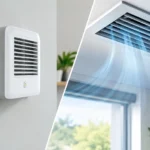
Rising damp is commonly confused with condensation. The distinction matters. Opening a window, running an extractor fan or buying an air dehumidifier may improve humid air, but it will not stop ground moisture travelling upwards through masonry. If the problem is rising damp, treating the air alone means the wall remains wet.
Know the signs before damage spreads
Rising damp begins at ground level. Moisture from the soil can move into porous brickwork, mortar and plaster, carrying salts with it. As the moisture evaporates from the wall surface, it leaves those salts behind. This is why a rising-damp problem can become more visible even after a room has been aired.
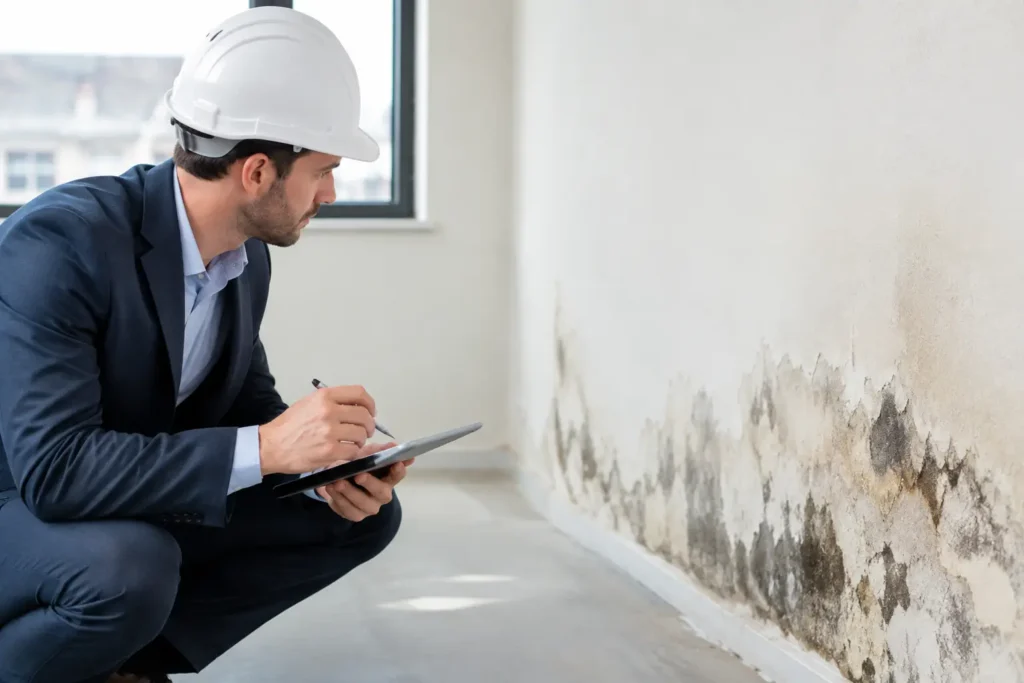
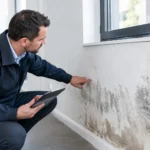
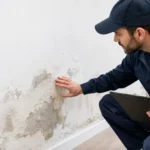
Check ground-floor rooms, basements and elevated ground-floor spaces carefully. The usual signs are a horizontal tide mark, bubbling paint, crumbling plaster, white salt crystals, stained skirting boards and damp damage rising up the wall. The affected area is often up to around 1.5 metres above outside ground level.
A musty odour is another warning. Tenants may describe a room as cold, clammy or difficult to heat. These reports should be taken seriously, especially where they recur after redecorating or during wet months. Repainting over damaged plaster may improve the appearance briefly, but it does not remove the moisture source.
Rule out other sources of water
Not every damp patch is rising damp. A leaking pipe, failed gutter, cracked render, blocked drain or damaged roof can introduce water from above or from one side. Condensation can also create surface mould around windows, in corners and behind furniture where air circulation is poor.
Look at the pattern. Rising damp is concentrated low on walls and commonly affects masonry connected to the ground. A patch that worsens after rainfall may point to an external defect. Localised damp beneath a bathroom or radiator may indicate a plumbing leak. Get obvious leaks and rainwater faults repaired first. A correct diagnosis avoids spending money on the wrong solution.
Why air dehumidifiers do not stop rising damp
An air dehumidifier removes moisture from the air. It can be useful when drying laundry indoors or managing temporary condensation, but it does not stop moisture entering a wall from the ground. It also needs emptying, cleaning and regular attention, which is not always reliable in a rental property.
Think of it like mopping water from a floor while a tap is still running. The room may feel better for a while, but the source remains active. For landlords managing several properties, this can become an expensive cycle of tenant complaints, redecorating and replacement plaster.
The practical aim is to stop the process that allows moisture to travel upwards through the building fabric. Once the wall is no longer being continually fed with moisture from below, retained water can dry gradually and return downwards through gravity.
Protect rentals from rising damp with continuous treatment
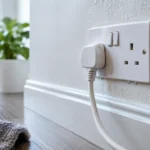
A non-invasive electronic damp-removal device is designed to address rising damp at its stated source. GUARDIAN devices operate continuously from a normal electrical supply, using low power to counter the electrical-potential difference associated with moisture movement through masonry. The principle is easier to picture than it sounds: like static electricity from a hairbrush, a small electrical effect can influence how moisture behaves.
This approach does not require walls to be drilled, chemically injected or stripped out as a first step. That matters in occupied rentals, where disruptive building work can mean lost rent, tenant inconvenience and additional finishing costs.
Coverage matters. A small family house needs a device suited to its footprint, while larger houses, converted buildings, blocks, offices and commercial premises need wider coverage or a planned multi-device layout. The HOME model is intended for family homes. PRO 15 and PRO 25 models are designed for larger residential and commercial spaces.
Do not select a unit simply because it is cheaper. Consider the building’s floor area, wall layout, internal partitions and the position of affected rooms. Thick masonry and complex layouts can influence placement. A device works more like a Wi-Fi router than a portable heater: central positioning supports more even coverage, while distance and barriers need to be considered.
Positioning and installation
Place the unit in a central location for the area it needs to protect, ideally on an internal wall or suitable central point rather than at the far edge of the building. Keep it connected continuously. Switching it off overnight, between tenancies or when the walls begin to look better interrupts the protection you are relying on.
Installation should be straightforward, but the electrical supply must be safe and suitable. Use a proper socket, follow the product instructions and avoid damaged leads or unsuitable extension arrangements. In communal or commercial buildings, make sure the chosen location remains accessible and cannot be unplugged accidentally by cleaners, contractors or occupants.
Tell tenants what the device is and why it is there. A short explanation prevents it being mistaken for an unused plug-in appliance. Make clear that it should stay powered and should not be moved without permission. This simple step can save months of lost drying time.
Allow walls time to dry
There is no honest one-week cure for a wall that has held moisture for years. Drying takes time because the masonry, plaster, salts and finishes have all been affected. The timetable depends on wall thickness, construction, ventilation, external weather, heating patterns and the level of existing saturation.
Early improvements may include a less clammy feel, reduced odour and a wall that stops deteriorating. Visible salt damage and failed plaster can remain after the moisture movement has been addressed. In badly affected rooms, damaged finishes may need to be removed and renewed once the wall has had time to dry properly.
Avoid rushing into expensive decorative work. Fresh paint applied to a still-damp, salt-contaminated wall can fail quickly. Photograph affected areas before treatment, then inspect them at sensible intervals. This creates a useful maintenance record and helps demonstrate that the issue is being managed responsibly.
Build damp checks into rental maintenance
The best time to find rising damp is before a tenant reports peeling paint or mould. Include low-level wall checks in routine inspections and between-tenancy visits. Inspect skirting boards, corners, hallways, utility rooms and ground-floor bedrooms. Pay particular attention to properties with solid walls, older construction, basements or rooms where outside ground levels sit close to internal floor level.
Keep external drainage working as well. Clear gutters, direct downpipes into suitable drainage, repair leaks and avoid allowing soil, paving or stored materials to bridge vulnerable wall areas. These actions do not replace treatment for genuine rising damp, but they prevent other water problems from adding to it.
Good ventilation still has a role. Extractor fans, sensible heating and clear airflow reduce condensation, which can otherwise sit on top of an existing damp problem. The key is not to confuse good ventilation with a cure for moisture being drawn into the wall from the ground.
For landlords, the real cost of rising damp is rarely limited to one repair. It is the repeat call-outs, redecorating, damaged finishes, delayed lets and loss of tenant confidence. A continuously operating, low-energy approach gives the property a better chance to dry without turning every damp wall into a building project. Deal with the cause, give the masonry time, and keep the protection in place long after the visible marks have gone.