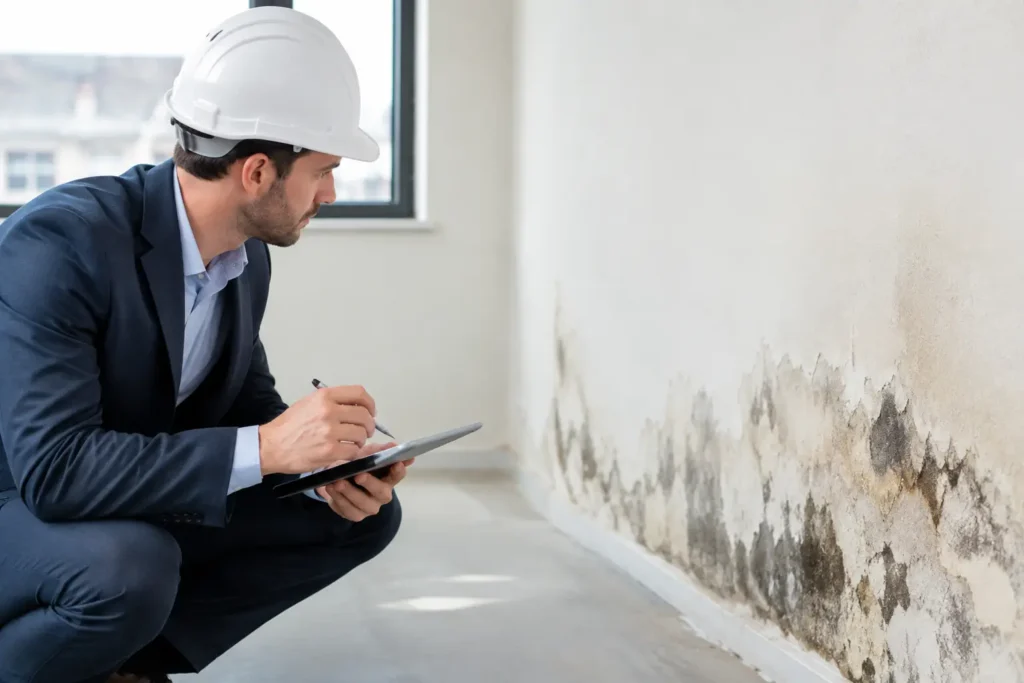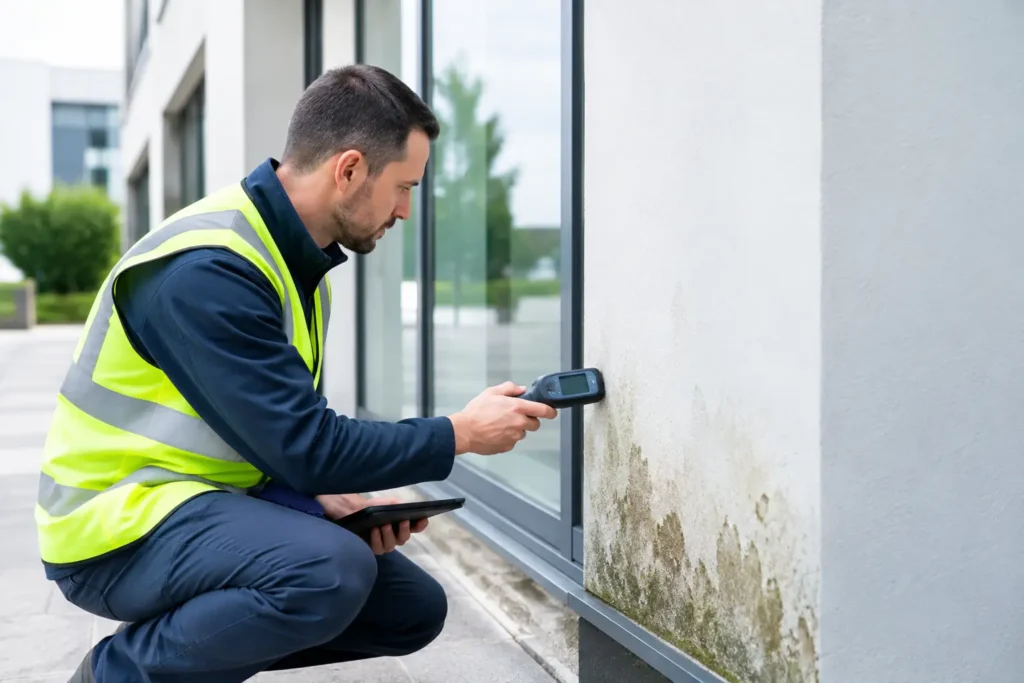
A damp patch in a shop, office or managed block is rarely just a decorating issue. Left alone, moisture can damage plaster, create musty odours, encourage mould and make ground-floor spaces feel cold and neglected. Effective commercial property damp management starts by finding where the water is coming from – not repeatedly treating what appears on the wall.
For landlords, facilities managers and commercial owners, that distinction matters. A portable dehumidifier may reduce moisture in the air, but it does not stop rising damp travelling upwards through masonry from the ground. If the source is rising damp, surface drying alone can become an expensive cycle of cleaning, repainting and replacing damaged finishes.
Start with the source, not the stain
Rising damp affects walls that are in contact with, or close to, the ground. Moisture from the soil can move into porous brickwork, stone and mortar, carrying salts with it. The result is often visible damage on lower walls, commonly up to around 1.5 metres above external ground level.
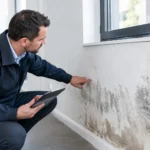
The clues are practical. Look for peeling paint, bubbling finishes, crumbling plaster, white salt deposits, darkened lower wall sections and a persistent earthy or fungal smell. Skirting boards may soften or deteriorate, while rooms can feel unusually cold even when heating is on.
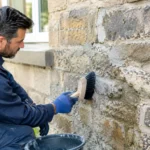
These signs do not automatically prove rising damp. A leaking gutter, damaged pointing, a failed roof detail, bridged external ground level, plumbing leak or poor ventilation can also cause dampness. Commercial property damp management should never be based on guesswork. Check the building fabric and the pattern of damage before choosing a remedy.
A useful rule is simple: if damp is concentrated at the base of ground-floor walls and rises in a consistent band, rising damp is a strong possibility. If it appears high on a wall, near a roofline, around a window or only after heavy rain, investigate other causes first.
Why dehumidifiers do not solve rising damp
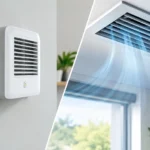
Air dehumidifiers have a role in some buildings. They can help after flooding, during construction drying, or where airborne humidity is genuinely high. They may also make a room feel more comfortable while other repairs are completed.
But they are not a source-control solution for rising damp. A dehumidifier removes water from the room air. It does not prevent ground moisture entering the masonry. Once it is turned off, emptied or moved elsewhere, the underlying process continues.
That is why some commercial premises end up with a familiar pattern: the wall looks better for a short period, then stains return, paint flakes again and tenants report the same smell. The building has been dried at the surface, not protected at the source.
For a larger property, the running costs and practical burden also add up. Tanks need emptying, filters need attention and multiple units may be needed across separate rooms. This is particularly inconvenient in occupied offices, retail spaces, communal corridors, storage areas and rental flats.
Commercial property damp management for larger buildings
A workable solution needs to match the scale and layout of the building. A small ground-floor office with one affected wall is very different from a mixed-use block, a converted property with several units, or a commercial site with long internal masonry walls.
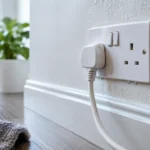
Electronic rising damp systems are designed to address this type of issue continuously. GUARDIAN devices work by addressing the electrical-potential difference that allows moisture to travel from surrounding soil into masonry. The aim is to allow existing wall moisture to return downwards through gravity, so the wall can dry progressively rather than being constantly re-wetted from below.
Think of the principle like static electricity from a hairbrush: an electrical effect can influence movement without visible mechanical parts. The device operates continuously, while the building dries at its own pace. It is not a quick cosmetic cover-up, and that is a strength. Proper drying gives the wall fabric time to release retained moisture and salts.
For commercial buildings, coverage radius is central to device selection. A system that is too small for the building may leave affected areas outside its effective range. A system that is oversized without considering layout may not be the most sensible choice either. Internal partitions, changes in ground level, extensions and separate building sections all matter.
Plan around the building footprint
Begin with the area at risk, not simply the number of rooms. Identify ground-contact walls, lower-ground areas and any elevated ground-floor spaces where damp symptoms are present. Then consider the building plan as a whole.
A central position generally gives the best coverage, much like placing a Wi-Fi router where its signal can reach the widest practical area. In long or irregular buildings, more than one device may be required. Separate wings, thick structural walls and disconnected sections can justify separate coverage zones.
For larger residential and commercial premises, PRO 15 and PRO 25 models are intended for broader coverage than a standard family-home unit. Selecting between them should be based on the size and shape of the property, not on the visible size of one stain.
Place it correctly and leave it running
Installation is designed to be straightforward, but placement still matters. Fit the device in a suitable central location within the area being protected, following the supplied mounting and electrical instructions. It needs a reliable mains supply and should remain switched on continuously.
Do not hide the unit in a place that makes it likely to be unplugged for cleaning equipment, temporary displays or office rearrangements. In managed premises, label the socket or include the device in the site maintenance record so staff know it is part of the damp-control system.
Continuous operation uses very little power compared with the ongoing use of multiple compressor dehumidifiers. More importantly, consistency gives the building time to dry without interruption.
Manage expectations while walls dry
Drying is not instant because masonry can hold a substantial amount of moisture. A wall that has been damp for years will not become dry in a week. The time required depends on wall thickness, construction material, salt contamination, internal heating, ventilation and the severity of the original moisture load.
During this period, avoid rushing into decorative repairs. Repainting damp or salt-affected plaster too early can trap problems beneath a fresh surface. Loose and damaged finishes may need removing once the wall has begun to dry, and salt-contaminated plaster may require appropriate remedial work before redecoration.
Keep the building reasonably heated and ventilated where possible. This helps moisture evaporate from the wall face as drying progresses. It does not replace source control, but it supports the process.
Record the condition of affected areas before installation. Photographs, notes on odours and simple moisture observations can help landlords and facilities teams see gradual improvement. This is particularly useful where tenants expect an immediate visual change but the wall is still going through its drying phase.
Do not ignore the other maintenance faults
A rising damp solution should sit within sensible building maintenance, not replace it. Repair leaking gutters and downpipes, clear blocked drains, fix plumbing leaks and ensure external ground levels do not bridge damp-proof courses or cover vulnerable wall sections.
If a property has condensation as well as rising damp, tackle both. Improve extraction in kitchens and bathrooms, maintain suitable background heating and reduce activities that release excessive moisture into poorly ventilated rooms. One cause can mask another, especially in older commercial buildings that have been subdivided or converted over time.
The key is to avoid giving every damp problem the same treatment. Condensation needs moisture and ventilation management. Rain penetration needs fabric repairs. Rising damp needs action that addresses moisture entering from the ground.
A better standard for managed properties
Commercial premises need solutions that are practical after the contractor has left or the maintenance visit has ended. A non-invasive, continuously operating system can be particularly useful where disruptive works would affect tenants, trading hours or access to occupied spaces.
The best time to act is before lower-wall damage becomes a refurbishment project. Check the cause, choose coverage that fits the whole building and allow the masonry time to recover. A dry, well-managed wall is easier to maintain, easier to let and far less likely to keep demanding the same repair budget.