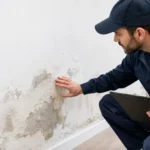
A wall that feels cold is not always a damp wall. But when cold walls come with peeling paint, a musty smell, mould, crumbling plaster or a white salty deposit near the floor, they need attention. Left alone, moisture damage can spread through finishes, spoil a room and make a property harder to heat.
The key is to identify where the moisture is coming from. A portable dehumidifier may make a room feel drier for a while, but it cannot stop water rising through masonry from the ground. Nor can it repair failed insulation, leaking gutters or poor ventilation. The right remedy depends on the cause.
Why cold walls feel worse than cold air
Masonry naturally feels cooler than the air in a heated room, particularly on external walls and in ground-floor spaces. When the wall is dry, this may simply be an insulation issue. When it is damp, the problem becomes more noticeable because moisture holds and transfers heat far more readily than dry material.
That is why a damp wall can feel clammy even when the heating is on. It may also encourage condensation. Warm indoor air meets the colder surface, water vapour turns to droplets, and mould finds the conditions it needs. The mould may be the visible problem, but the cold, moisture-affected wall is often the reason it keeps returning.
Do not assume every patch of mould means rising damp. Condensation commonly appears in corners, behind furniture, around windows and in bathrooms or bedrooms. Rising damp normally begins at the base of a ground-floor wall and can move upwards, often to around 1.5 metres. It can affect plaster, skirting boards and wallpaper in a clear band.
Cold walls and rising damp: the signs to check
Rising damp occurs when ground moisture travels up through porous brickwork, stone or mortar. It is frequently confused with general humidity, which leads people to spend money repeatedly drying the air while the wall continues to draw in moisture.
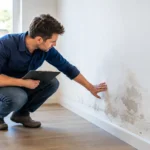
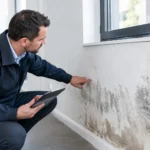
Look closely at the pattern, not just the room temperature. Signs that point towards rising damp include staining or discolouration starting low on the wall, blistering paint, loose wallpaper, soft or crumbling plaster, decayed skirting boards and a persistent earthy or fungal odour. White, powdery salts on brickwork or plaster are another useful clue. These salts are carried from the ground as moisture moves through the wall and remain when the surface dries.
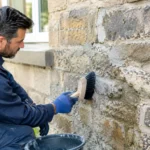
External evidence matters too. Check whether the outside ground level is above the internal floor level or has bridged the damp-proof course. Look for blocked air bricks, damaged rainwater goods, leaking pipework and cracks that allow water into the fabric of the building. A local damp patch below a leaking gutter is not usually rising damp. A widespread low-level problem across internal and external ground-floor walls may be.
If a wall is cold only in one isolated area, investigate that area first. It could be a plumbing leak, a solid wall with no insulation, a thermal bridge around a concrete lintel, or rain penetration through damaged pointing. Good diagnosis prevents the wrong treatment.
Why a dehumidifier is not a cure for damp masonry
A dehumidifier removes moisture from the air. That can be useful after decorating, drying laundry indoors or managing short-term condensation. It does not stop moisture entering a wall from the soil beneath a building.
This distinction matters. If a wall is still being fed by rising moisture, the dehumidifier is constantly dealing with the result rather than the source. It can mean higher electricity use, regular emptying and a room that feels better temporarily while plaster and finishes remain at risk.
Ventilation has similar limits. Opening windows can reduce airborne humidity, but it cannot reverse a moisture pathway within brickwork. Insulation can make a cold surface warmer, but it should not be installed over an active damp problem without identifying and controlling the moisture first. Covering wet masonry can trap damage out of sight.
For suspected rising damp, the objective is to stop the electrical-potential difference that enables moisture to travel upwards through masonry, then allow the wall to dry naturally. This is the principle behind electronic rising-damp control.
A practical response to cold, damp walls
Start with the straightforward checks. Repair leaking gutters, downpipes and plumbing. Keep external ground levels below the damp-proof course where possible, and clear air bricks so sub-floor ventilation is not blocked. These measures are essential whether the property is a Victorian terrace, a modern house, a shop or a converted ground-floor flat.
Next, consider the height and spread of the damage. Rising damp does not usually create a wet patch near the ceiling. If damage is concentrated at low level and appears across several walls, it deserves a rising-damp solution rather than another round of surface cleaning.
Avoid rushing into replastering. Fresh plaster applied to an actively damp wall is likely to fail again. The moisture source must be addressed first. Once the wall begins drying, salts and damaged finishes may still need to be removed or renewed, depending on their condition. Drying is gradual, particularly in thick masonry, and results are not measured in days.
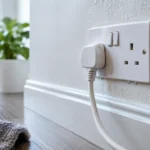
A continuous electronic system offers a non-invasive route for suitable buildings. GUARDIAN damp removal devices are designed to work continuously from a normal electrical supply, addressing rising damp without chemical injection, disruptive wall cutting or ongoing water collection. The correct model depends on the building size and required coverage, much like choosing a Wi-Fi router for the area it needs to reach.
Placement matters. The unit should be installed in a central, practical position that gives the intended coverage across affected ground-floor walls. It must remain powered continuously. Turning it off regularly interrupts protection and slows the overall process. For larger properties or commercial premises, device selection and placement should reflect the building layout rather than simply choosing the nearest socket.
What to expect while walls dry
A wall that has held moisture for years cannot become dry overnight. Existing dampness has to return downwards through the masonry under gravity, and the rate depends on wall thickness, construction, salts, room temperature and ventilation. In some properties, visible improvement begins earlier than full drying.
During this period, you may notice old paint or plaster continuing to deteriorate. That does not necessarily mean the treatment is failing. It may be the final effect of moisture and salts already present in the wall. Allow time for drying before making major cosmetic repairs, and use breathable materials where appropriate so the wall can release residual moisture.
Keep rooms sensibly heated and ventilated, but do not overheat the space in an attempt to force a quick result. Excessive heat can make a surface appear dry while moisture remains deeper in the wall. The goal is steady, long-term improvement, not a temporary cosmetic change.
When cold walls need further investigation
Some symptoms need a closer inspection. Water appearing after heavy rain suggests rain penetration. A sharp rise in heating bills and a very cold wall may indicate missing or failed insulation. Damp focused around a bathroom, boiler or radiator pipe may be a leak. In older properties, more than one issue can exist at the same time.
If timber skirting boards or floor joists show significant decay, or if plaster is badly contaminated with salts, deal with the structural and finish damage as part of the wider repair plan. Controlling rising damp protects the building going forward, but it does not restore materials that have already broken down.
Cold walls are a warning worth taking seriously, especially when they are low-level, clammy and visibly damaged. Check the pattern, remove obvious sources of water and treat the cause rather than continually drying the air. A dry wall is warmer, healthier for the room and far easier to maintain.