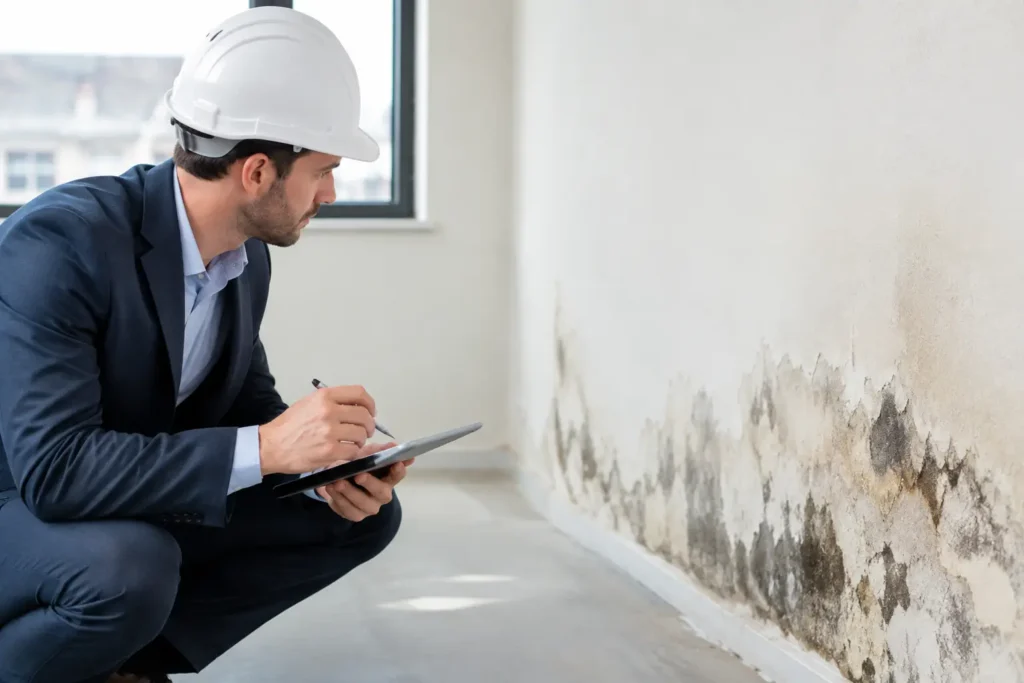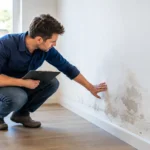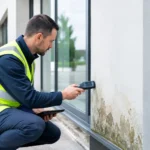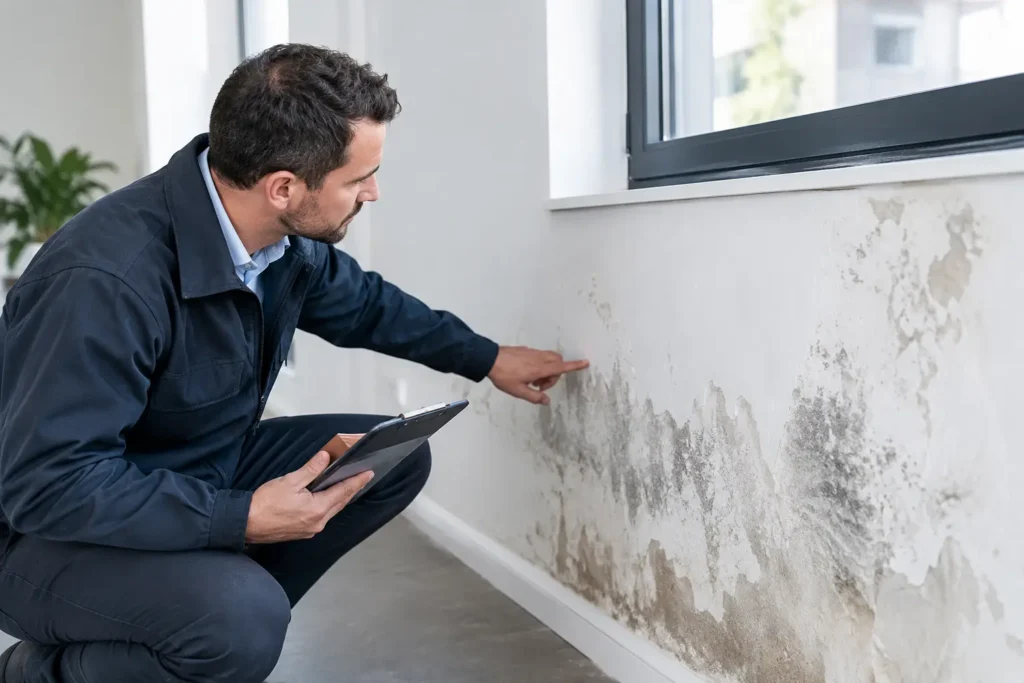
A patch of bubbling paint beside a shop entrance, a musty smell in a ground-floor office or plaster crumbling behind stock shelves can quickly become a bigger problem. Commercial damp risks are not just cosmetic. Left untreated, they can affect tenant confidence, maintenance budgets, stored goods and the condition of the building itself.
The key is to identify where the moisture is coming from. A dehumidifier may make a room feel drier for a while, but it cannot stop water travelling upwards through masonry from the ground. Where rising damp is the cause, the building needs a solution aimed at the wall, not simply the air around it.
Why commercial damp risks grow quickly
Commercial buildings are often harder to monitor than a family home. A warehouse may have rarely used corners. A block of offices may have several occupiers, each assuming someone else will report the problem. In shops, cafés and clinics, staff may cover up marks with display units or furniture until the damage is well established.
Damp also creates a costly cycle. Moisture enters the wall, salts are carried into plaster, finishes fail and redecorating begins. If the source remains active, the new paint, plaster or skirting can fail again. Repeated cosmetic repairs are not a cure.
There is also a practical business impact. Damp walls can make a space feel cold, neglected and unpleasant. Fungal odours, visible staining and mould concerns can lead to complaints from staff, customers and tenants. For landlords and facilities managers, this can mean avoidable call-outs and difficult conversations during inspections or lease renewals.
The signs that point to rising damp
Rising damp is moisture moving up through porous brick, stone or mortar from the soil below. It is most commonly seen on ground-floor walls and in lower-level spaces. In some buildings, it can affect elevated ground floors where the structure and surrounding ground conditions allow moisture to travel upwards.
The visible damage often reaches up to around 1.5 metres above ground level. That height matters. Condensation can appear higher on colder surfaces, while a plumbing leak may create a localised wet area at any level. Rising damp tends to begin low down and spread in a more consistent band.
Look for several signs together rather than relying on one mark alone. These include flaky or blistered paint near the floor, loose wallpaper, crumbling plaster, decayed skirting boards, white salt deposits and walls that feel cold or visibly damp at the base. A musty smell may be present even before the wall finish fails.
Salt is a useful clue. As ground moisture travels through masonry, it carries minerals with it. When moisture evaporates from the wall surface, those salts can remain behind. This is why simply repainting over a damaged area rarely lasts.
Do not confuse rising damp with humid air
Bathrooms, kitchens, changing rooms and poorly ventilated storage areas can suffer from condensation. This happens when warm, moisture-laden air meets a cold surface. Better ventilation, sensible heating and moisture control can help in those cases.
But air humidity is not the same as moisture rising from the ground. An air dehumidifier removes water from the room air. It can reduce condensation and help dry a room after a leak, but it does not stop the electrical potential difference that can draw moisture upwards through the building fabric. Treating rising damp with a dehumidifier alone is like drying a wet floor while leaving the tap running.
Before choosing any treatment, rule out obvious external causes too. Check for leaking pipes, damaged gutters, blocked gullies, failed roof details and ground levels that bridge external damp-proof courses. Commercial premises can have several moisture issues at once, so an accurate diagnosis saves money.
The hidden cost of damp walls in business premises
The first cost is often decorating. The bigger costs arrive later. Plaster may need removing, timber joinery can deteriorate and stored materials may be damaged. In hospitality, retail and client-facing spaces, a visible damp problem can undermine the standard customers expect.
A damp wall also holds heat poorly. That does not mean every cold room has rising damp, but a moisture-laden wall can contribute to an uncomfortable environment and make heating feel less effective. Staff may turn up the thermostat while the source of the problem remains in the structure.
For property owners, there is a further issue: delay. Moisture damage rarely becomes cheaper with time. A small tide mark can be an early warning that the wall needs attention before finishes, timber and internal fittings are affected.
A practical response to commercial damp risks
Start with a clear inspection of the affected area. Record where the damage begins, how high it reaches and whether it is limited to ground-floor external or internal walls. Take photographs before cleaning or redecorating. This gives you a useful baseline and helps track whether the problem is progressing.
Next, remove competing causes. Fix active plumbing leaks and rainwater defects first. Improve ventilation where condensation is also present. Then consider whether the pattern matches rising damp: low-level damage, salts, failing finishes and recurring moisture in masonry.
Where rising damp is confirmed, the aim should be to stop the upward movement of moisture at its source. Electronic damp-control systems are designed for this purpose. GUARDIAN devices work continuously to address the electrical-potential difference associated with moisture travelling through masonry, allowing existing wall moisture to return to the ground through gravity.
This is a different approach from collecting moisture from the air. It is non-invasive, needs no chemical injection and avoids the disruption of removing large areas of wall fabric simply to begin treatment. It also suits occupied premises where closing rooms, moving stock or disturbing tenants is not practical.
Choose coverage for the building, not one damaged wall
A commercial property needs coverage planned around the whole affected structure. Moisture can travel through connected masonry, and treating only the most visible wall may not provide the protection the building needs.
Device selection depends on the size and layout of the premises. Larger offices, mixed-use buildings, communal areas and commercial units may require a PRO model with the right coverage radius. Think of it like Wi-Fi: the router needs to be positioned so the signal reaches the areas that matter, and thick walls or an awkward layout may influence placement.
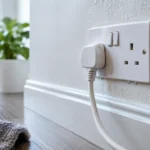
Install the device in a suitable central location within the area it is intended to protect, following the product instructions. It should remain powered continuously. Switching it off overnight or when the building is empty interrupts the protection, much like switching off a security system to save a small amount of electricity.
Set realistic drying expectations
Stopping further upward moisture movement is the first stage. The wall then needs time to dry naturally. Drying time depends on wall thickness, construction, existing saturation, ventilation, heating and the season. A solid stone wall will not dry at the same rate as a modern cavity wall.
Do not rush to replaster or repaint. If salt-contaminated finishes are already damaged, they may need to be removed or repaired at the right stage. Decorating too early can trap the appearance of the old problem and lead to disappointment, even when the wall is drying correctly.
Continue to monitor the area. Photographs, moisture checks where appropriate and regular visual inspections will show whether the surface is improving. The smell should reduce, finishes should stabilise and the wall should gradually become less cold and damp at the base.
Protect the building before damage spreads
Commercial damp risks are easiest to manage when warning signs are treated as a maintenance priority, not an aesthetic nuisance. Ask the right question early: is this moisture in the air, water entering from outside, a leak or water rising through the wall?
Once the cause is clear, act on that cause. A dry-looking wall is not enough if the moisture source remains active. Give the building a treatment that matches the problem, allow time for natural drying and keep protection running continuously. That approach protects more than plaster – it protects the working space people rely on every day.