A fresh coat of paint may hide a stain for a few weeks, but it does not solve damp wall repair. If moisture is still entering the wall, the paint can blister, plaster can crumble and the musty smell will return. The first job is to identify where that moisture is coming from.
Damp is not one problem with one cure. Rising damp, condensation, rain penetration and plumbing leaks can look similar at first glance. Treat the wrong cause and you spend money managing symptoms while the wall remains wet.
Damp wall repair starts with the diagnosis
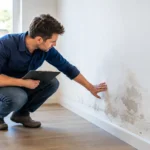
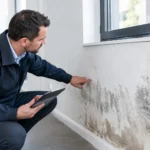
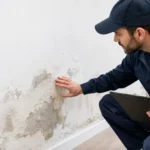
Look at the position and pattern of the damage. Rising damp normally starts at ground level and travels upwards through porous brickwork and mortar. It often creates a visible tide mark, damaged plaster, salts on the surface and cold, damp walls up to around 1.5 metres high. Ground-floor rooms, basements and raised ground-floor spaces are common trouble spots.
Condensation behaves differently. It forms when warm, moisture-laden indoor air meets a cold surface. You are more likely to see it on windows, in corners, behind furniture and on external walls, particularly in bedrooms, kitchens and bathrooms. Black mould is often a stronger sign of condensation than rising damp.
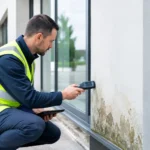
A leak may cause a concentrated patch that worsens after using a bathroom, central heating or an appliance. Rain penetration is often worse after prolonged wet weather and can appear higher on an external wall, around defective gutters, cracked render, roof details or damaged pointing.
Do not assume every damp patch is rising damp. However, do not dismiss low-level wall damage as “just humidity” either. The location of the damage matters. A dehumidifier can remove water from the air, but it cannot stop moisture travelling up from the ground through masonry.
Why walls stay damp
Masonry is full of tiny pores. When there is an electrical-potential difference between the soil and building materials, moisture can be drawn upwards through those pores. Think of the small static charge you feel after brushing your hair or removing a jumper. You cannot see it, but its effect is real.
With rising damp, the wall can continue drawing in ground moisture day and night. That is why ventilation alone may not be enough. Opening windows can improve air quality and reduce condensation, but it does not address water entering from below.
The longer the issue continues, the more repair work may be needed. Moisture can carry salts into plaster and finishes. As the wall dries, those salts may remain and continue to affect paint or plaster. This is why a proper repair plan separates stopping the moisture source from restoring the visible surface.
The right order for damp wall repair
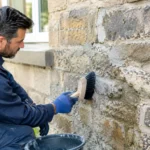
Start by checking the simple external causes. Clear blocked gutters and downpipes, make sure rainwater drains away from the building, and inspect brickwork, render, pointing and external ground levels. Soil, paving or debris should not bridge the damp-proof course where one is present.
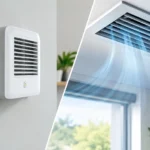
Next, consider internal moisture. Use extractor fans when cooking or showering, keep background heating steady where possible and leave a gap between large furniture and cold external walls. These steps are worthwhile, but they should not become a substitute for finding a persistent source of low-level moisture.
If the evidence points to rising damp, the aim is to stop the upward movement of moisture through the wall. Traditional methods can involve disruptive work, such as removing contaminated plaster or installing chemical barriers. The right approach depends on the building, the condition of the masonry and whether other defects are present.
An electronic rising-damp system is a non-invasive option designed to address the electrical condition that enables moisture to travel upwards. GUARDIAN damp removal devices are plugged in and operate continuously, allowing existing moisture in the wall to return towards the ground through gravity. There is no chemical injection, no drilling into every wall and no need to turn the device off once it is working.
Choose coverage for the building, not just the room
A rising-damp device works across a coverage area in a similar way to a Wi-Fi router. Position and radius matter. A device selected only for one visibly damaged room may be too small if the moisture pathway extends through adjoining walls or across a larger property.
For a typical family house, a HOME model may be suitable. Larger homes, blocks, commercial spaces and buildings with wider footprints may need a PRO 15 or PRO 25 model, depending on the required coverage radius and layout. In larger or irregular buildings, more than one device may be necessary to provide effective coverage.
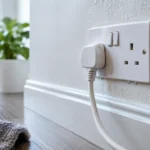
Place the device in a central, practical position within the area being protected. Avoid treating placement as an afterthought. Thick masonry, extensions, split levels and large footprints can all affect which model and location make sense. The device must also have a suitable mains socket and should remain connected continuously.
Do not place a device where it can be knocked, covered, exposed to direct water or disconnected during routine cleaning. If a socket is not available, ask a qualified electrician to install one. Electrical safety comes first.
What to expect while the wall dries
Damp wall repair is not instant because brick, mortar and plaster need time to release stored moisture. A wall that has been wet for years will not become dry in a weekend. Drying progress depends on wall thickness, construction, ventilation, heating, external weather and the severity of the original damp.
You may first notice that the wall feels less cold or that the damp smell reduces. Stains and damaged finishes can still be visible while the masonry is drying. Resist the temptation to seal everything immediately with heavy waterproof coatings. Trapping moisture behind unsuitable finishes can create further problems.
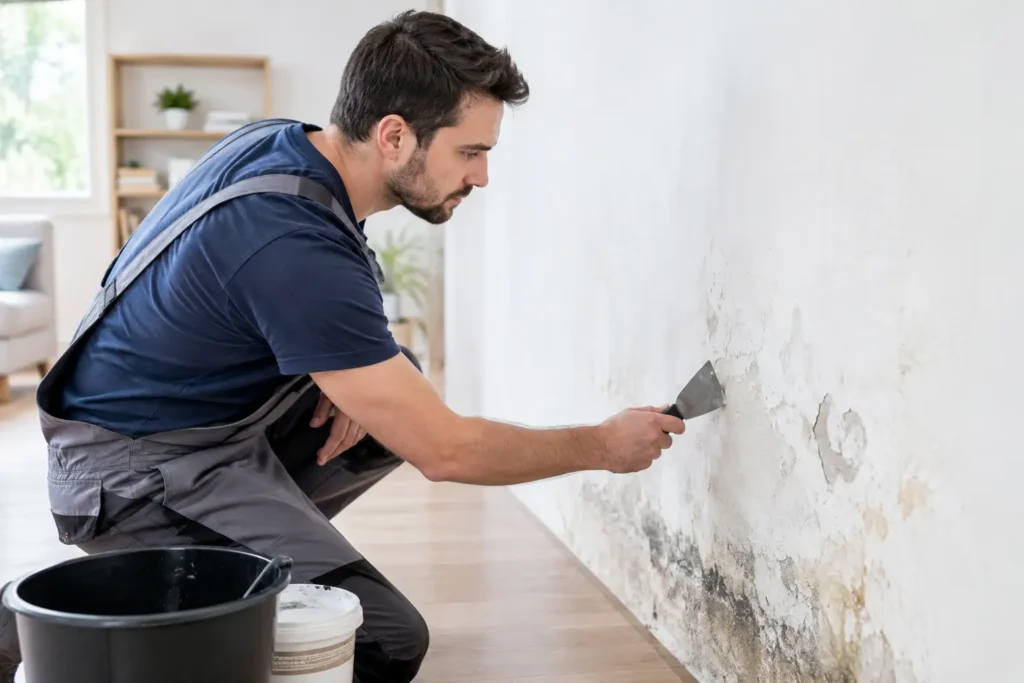
Once the wall has had time to dry, assess the plaster carefully. Loose, salt-damaged or hollow plaster may need to be removed and renewed. Use breathable materials and finishes appropriate to the wall construction, especially in older properties. Repainting too early can lead to peeling paint and another avoidable repair bill.
A moisture meter can help monitor trends, but readings need interpreting with care. Salts in old plaster can affect electrical moisture meters, making a surface appear wetter than it truly is. Compare readings over time and look at the whole picture: wall temperature, visible damage, smell and whether the damp line is changing.
When a damp wall needs a professional inspection
Seek specialist advice if there are signs of structural movement, extensive timber decay, persistent roof leaks, damaged drains, flooding or a strong mould problem affecting several rooms. These issues may sit alongside rising damp, and they need their own repair work.
Likewise, if a wall is damp above the usual rising-damp height, focus on rainwater goods, roof details, cavity issues, plumbing and condensation before choosing a treatment. A correct diagnosis protects both the building and your budget.
For landlords and facilities managers, keep a clear record of the original symptoms, inspection findings, any repairs and drying progress. It makes maintenance decisions easier and shows that the problem has been addressed methodically rather than covered over.
A dry wall is not simply better looking. It is warmer to live with, less likely to smell stale and far easier to decorate and maintain. Start with the cause, give the wall time to recover and choose a solution that keeps working long after the stain has disappeared.