A damp patch that keeps returning after decorating is not a cosmetic problem. When moisture is rising from the ground into masonry, the key question is how to choose damp coverage that reaches the whole affected part of the building – not how often to empty a dehumidifier.
Electronic rising-damp protection is designed to work continuously from one central position. Choosing the right coverage means looking at your building’s footprint, wall layout and the areas where moisture can travel. Get this right first and you give walls the conditions they need to dry naturally.
Start by confirming it is rising damp
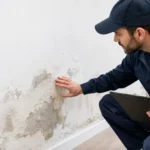
Coverage only matters if you are treating the right type of damp. Rising damp normally starts at ground level and moves upwards through brick, stone or blockwork. Typical signs include peeling paint, crumbling plaster, white salt deposits, stale fungal odours and a tide mark that may reach up to around 1.5 metres above floor level.
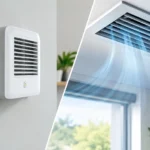
A dehumidifier can reduce moisture in the air, but it does not stop moisture being drawn up from the soil into the wall. It may make a room feel drier while the masonry remains wet. That is why repeatedly drying the air is not the same as treating rising damp at its source.
Before selecting coverage, check for obvious external causes too. Broken gutters, leaking pipes, damaged pointing and poor drainage can cause penetrating damp and need separate repairs. If the damage is highest after rain or is concentrated around a chimney, window or pipe, investigate those routes first.
How to choose damp coverage from your building footprint
Think of coverage like a Wi-Fi router. The signal starts from one location and needs to reach the areas that need protection. Walls, changes in level, extensions and the overall shape of the building all affect where a device should be installed.
Start with the ground-floor footprint, rather than the number of bedrooms or the total internal floor area. Rising damp begins where walls meet the ground, so the footprint is the useful measurement for choosing a unit. Measure the longest and widest points of the protected building area, including connected ground-floor extensions that form part of the same structure.
A simple square or rectangular house is usually straightforward. A long property, an L-shaped layout, a house with a large rear extension or a commercial unit divided into separate wings needs more thought. In these cases, a single central location may not provide practical coverage to the furthest walls. It can be better to use more than one unit than to rely on one device placed at the edge of its effective range.
Do not choose a model just because it appears suitable for the total area on an estate-agent listing. That figure may include upper floors, garages or rooms that do not sit over the same ground footprint. Measure the building you need to protect.
Consider the lowest occupied level
Ground-floor rooms, basements and elevated ground-floor spaces can all show signs of moisture travelling through masonry. If your home has a cellar or a lower-ground room, include its layout when planning the installation. The device must be positioned to serve the walls at risk, not simply where there is a convenient socket.
For properties with split levels, thick internal walls or separate building sections, draw a quick plan. Mark affected walls, external walls touching the ground and possible device positions. This makes coverage gaps much easier to spot before purchase.
Match the model to the property type
GUARDIAN damp removal devices are arranged by coverage and building use. The HOME model is intended for family houses, while PRO 15 and PRO 25 units are designed for larger residential and commercial premises.
The right choice depends on the scale and shape of the property. A conventional house with a compact ground-floor layout may suit the HOME model. A large detached house, block of flats, office, shop, warehouse conversion or property with wide ground-floor wings may require a PRO model or multiple devices.
Do not automatically select the largest unit for a small property. Proper coverage and correct placement matter more than excess capacity. Equally, do not undersize a device to save a little at the start if damp walls sit beyond its intended protected area. Incomplete coverage can leave one section of masonry continuing to draw moisture while another begins to dry.
If you manage several units in one building, consider whether they share continuous walls and a connected footprint. Separate structures, detached outbuildings and isolated extensions should be treated as separate coverage areas. A protected main house does not automatically protect a detached garage or garden office.
Choose a central installation position
Once you know the required coverage, the installation position is the next decision. Place the device as centrally as possible within the protected footprint. This gives the best opportunity for the electronic field to reach surrounding masonry evenly.
A hallway, central ground-floor room or internal wall near the middle of the building is often a good choice. Avoid placing the unit at the very end of a long extension if the main problem is spread throughout the property. That position directs coverage away from much of the house.
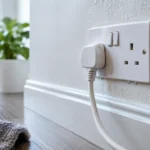
The device should be fixed securely to a wall in accordance with its installation instructions and connected to a suitable mains supply. It is designed for continuous operation, so choose a socket that will not be switched off, unplugged for a vacuum cleaner or hidden behind furniture that makes access difficult.
Keep the installation practical. Do not mount it in a wet location, directly beside a heat source or where it could be knocked by doors, stored items or daily traffic. In commercial premises, position it where staff cannot accidentally disconnect it.
Do not let room use dictate the position
The kitchen, lounge or main bedroom may be where damp is most visible, but they are not always the best places for the device. Visible staining often appears at the weakest wall finish, not at the centre of the moisture route.
Choose the central position that supports full building coverage. A discreet utility room or hallway can be more effective than a prominent wall in the dampest room. The aim is to protect the masonry network, not to treat a single patch of wallpaper.
Plan for drying, not instant cosmetic change
After installation, the source of rising moisture is addressed continuously, but wet walls need time to release stored moisture. Thick masonry, dense plaster, cold weather and long-standing damp can all extend drying time.
You may notice salts, flaking paint or staining become more visible as the wall dries. This does not necessarily mean the problem is worsening. Salts already held in the masonry can move to the surface during the drying process. Allow the wall to dry before carrying out major redecoration or replastering work.
Ventilate rooms normally and maintain sensible background heating where possible. These measures help moisture leave the building fabric, but they are support measures. They are not substitutes for choosing the correct coverage and maintaining continuous operation.
If a wall remains wet in one isolated place, check for another moisture source. A leaking downpipe, bridged external ground level, failed seal around a bath or a roof defect will not be solved by rising-damp protection alone.
When more than one device is the sensible choice
Some buildings are simply too large or too irregular for one central unit. Multiple devices are worth considering where there are long wings, separate wings joined by narrow connections, substantial extensions, large commercial floorplates or distinct areas of damp at opposite ends of the property.
This is not overcomplicating the job. It is the practical way to avoid dead areas. Treat each unit as part of a coverage plan, with positions chosen to overlap sensibly rather than leaving the furthest walls to chance.
For landlords and facilities managers, document where each device is fitted and label the socket that supplies it. A unit cannot provide continuous protection if it is unplugged during cleaning, maintenance or a tenant changeover.
Make coverage the first decision
The best damp solution is not the one that merely makes a room feel less humid for a few days. It is the one that suits the building footprint, reaches the walls at risk and stays on continuously.
Measure first, choose for the true ground-level layout and install from a central position. That small amount of planning gives your property the best chance to dry properly – and keeps you from chasing the same damp marks year after year.