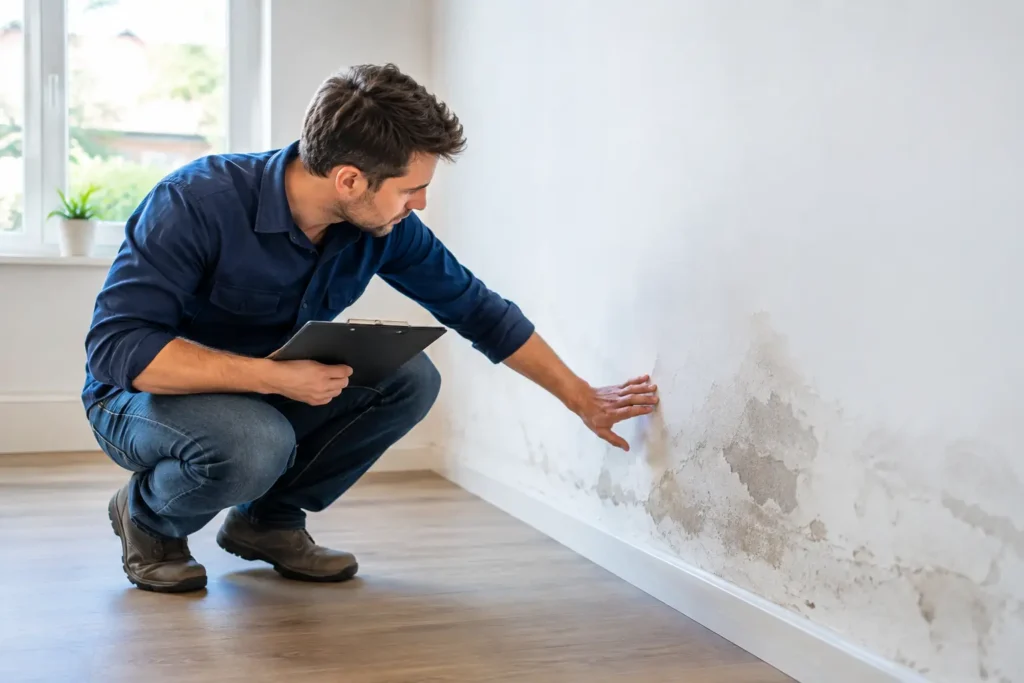
A damp wall does not become dry the moment a damp-control device is switched on. Wall drying is a gradual process: moisture already held in brickwork, mortar and plaster must move back through the masonry and evaporate naturally. The key is to stop more ground moisture entering the wall while that process takes place.
If the source is rising damp, surface fixes and air dehumidifiers can make a room feel better without solving the reason the wall is wet. A proper drying plan starts with diagnosis, then gives the building time to respond.
Is it really rising damp?
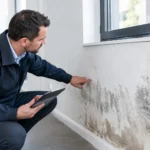
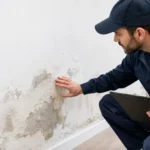
Rising damp normally begins at ground level and travels upwards through porous masonry. It may leave a visible tide mark, peeling paint, crumbling plaster, white salt deposits and a cold, musty wall. In many cases, the damage is concentrated below about 1.5 metres.
This matters because not every damp patch has the same cause. A leaking gutter, cracked render, failed roof tile, damaged pointing or plumbing leak can also wet a wall. Condensation tends to appear on colder surfaces, around windows, in corners and behind furniture, particularly during winter.
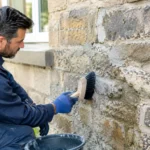
Before focusing on wall drying, check the obvious routes for water. Clear gutters and drains, inspect external ground levels, look for leaking pipes and make sure rainwater is directed away from the property. If the wall is wet high up, or only around a window or chimney breast, rising damp may not be the main issue.
Where the signs begin at the base of a ground-floor wall and rise consistently, moisture can be travelling from the soil through the building fabric. That is the point at which the supply of incoming moisture needs to be addressed.
Why wall drying takes time
Brick and plaster can store a surprising amount of water. Even after rising damp is controlled, the wall will not dry overnight. Drying time depends on wall thickness, construction type, how saturated the masonry is, the season, internal ventilation and whether old salt-contaminated plaster remains in place.
A thick solid brick wall will usually dry more slowly than a cavity wall. A cellar or lower-ground room can take longer too, especially where external ground levels are high and airflow is limited. Trying to force the process with intense heat may create cracking or simply make the room uncomfortable. Steady background warmth and normal ventilation are more useful.
Think of it like a wet coat. Turning up the heating may warm the outside first, but the moisture held deeper in the material still needs time to move out. Masonry behaves in a similar way, only much more slowly.
Do not repaint a damp wall too early. Fresh paint can blister, peel or trap salts beneath the surface. Likewise, replacing damaged plaster before the wall has started to dry can mean repeating work later. Patience at this stage protects the finish and your budget.
Stop the moisture at its source
An air dehumidifier removes water from the room air. It can help reduce condensation and improve comfort, but it does not stop moisture being drawn from the ground into a wall. If rising damp continues, the masonry remains under pressure from a constant moisture supply.
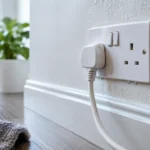
GUARDIAN damp removal devices are designed to address this issue at the source. They work continuously to remove the electrical-potential difference associated with moisture travelling from soil into masonry, allowing existing moisture in the wall to return downwards through gravity. The device uses very little electricity and requires no disruptive injection, drilling or chemical treatment.
For a family house, device selection depends on the size and layout of the building. Larger properties, commercial premises and buildings with extended ground-floor areas need sufficient coverage and careful placement. The principle is similar to placing a Wi-Fi router: position matters because the device must cover the affected structure, not just the room where the stain is most visible.
The device should be mounted correctly, connected to a suitable mains supply and left operating continuously. Switching it off repeatedly interrupts the protection the building needs. It is not a short-term appliance to use only when the weather is wet.
Help the wall dry naturally
Once the cause of rising damp is being controlled, simple building habits can support the drying process. Keep rooms reasonably heated during colder months and allow normal airflow through the property. Open trickle vents where available and avoid pushing large furniture tightly against affected external walls.
Do not rely on opening windows all day in wet weather. Damp outside air can enter the property, particularly in coastal areas or during prolonged rain. Instead, aim for sensible ventilation: use extractor fans when cooking or showering, dry clothes with adequate airflow and keep indoor humidity under control.
A dehumidifier may still have a role where condensation is also present. That is a different job. It can remove excess water vapour from the air while the rising-damp solution deals with moisture in the masonry. One does not replace the other.
Avoid cosmetic repairs until the wall is clearly progressing. White powdery deposits may continue to appear for a period as salts move towards the surface. Brush them away dry rather than washing them into the wall. If plaster has broken down or contains heavy salt contamination, it may eventually need replacement with a suitable breathable system after the masonry has had time to dry.
Check progress without guessing
Visible improvement is often the first sign. The damp area should stop extending, surfaces may feel less cold and the smell of dampness should reduce. Paint and wallpaper may still need repair, but the important change is that the wall is no longer receiving a continuing supply of ground moisture.
Take dated photographs of the affected areas before starting. Repeat them every few weeks in similar light. This provides a more reliable record than judging the wall from memory. Look for changes in the height of staining, the condition of plaster and any return of salts.
Moisture meters can be useful when used properly, but readings in old salt-contaminated plaster can be misleading. Salts conduct electricity and may produce high readings even when the wall is drying. A single number is not a diagnosis. Use readings alongside the location of the damp, the building construction and visible changes over time.
If a wall remains wet at the top, worsens after rainfall or develops a localised patch, investigate for a separate defect. Rising damp and penetrating damp can exist in the same property. Treating one problem does not remove the need to repair the other.
Protect the result for the long term
Wall drying is not about hiding a stain. It is about giving the structure the conditions it needs to release stored moisture and stay dry. Keep rainwater goods maintained, prevent external soil from bridging the wall, deal with leaks promptly and leave a rising-damp control device operating as intended.
For landlords and property managers, this approach is particularly valuable. A recurring damp complaint should not lead automatically to another coat of stain block or a larger dehumidifier. Record the symptoms, identify the route moisture is taking and deal with the cause before redecorating.
A dry wall takes time, but it should not require endless temporary fixes. Once incoming ground moisture is controlled and the masonry is allowed to dry at its own pace, the building can move towards a healthier, warmer and more durable condition.