A wall can look dry within days and still hold damaging moisture deep inside the masonry. That is why the question, how long do walls take drying, has no honest one-size-fits-all answer. For a wall affected by rising damp, expect months rather than weeks. The key is stopping the moisture at its source, then allowing the building fabric to dry naturally and steadily.
How long do walls take drying from rising damp?
As a working guide, masonry affected by rising damp often dries at around 25 mm per month once the cause has been effectively addressed. A 225 mm solid brick wall may therefore need around nine months to dry through, while a thicker stone wall can take longer.
This does not mean your room will stay visibly wet for nine months. Surface staining may improve earlier, and musty odours can reduce as the wall begins to release moisture. But internal drying is slower. Repainting or replastering too soon can trap moisture and salts behind the new finish, leading to peeling paint, blown plaster and the same frustrating marks returning.
The drying period depends on how wet the wall was, its thickness, the type of brick or stone, plaster condition, ventilation and the time of year. A warm, well-ventilated room usually dries faster than a cold basement or a poorly aired ground-floor room.
First, make sure it is really rising damp
Rising damp is not the same as condensation, a plumbing leak or rain penetration. Treating the wrong problem wastes time and can make the damage worse.
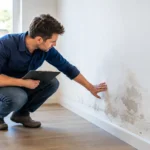
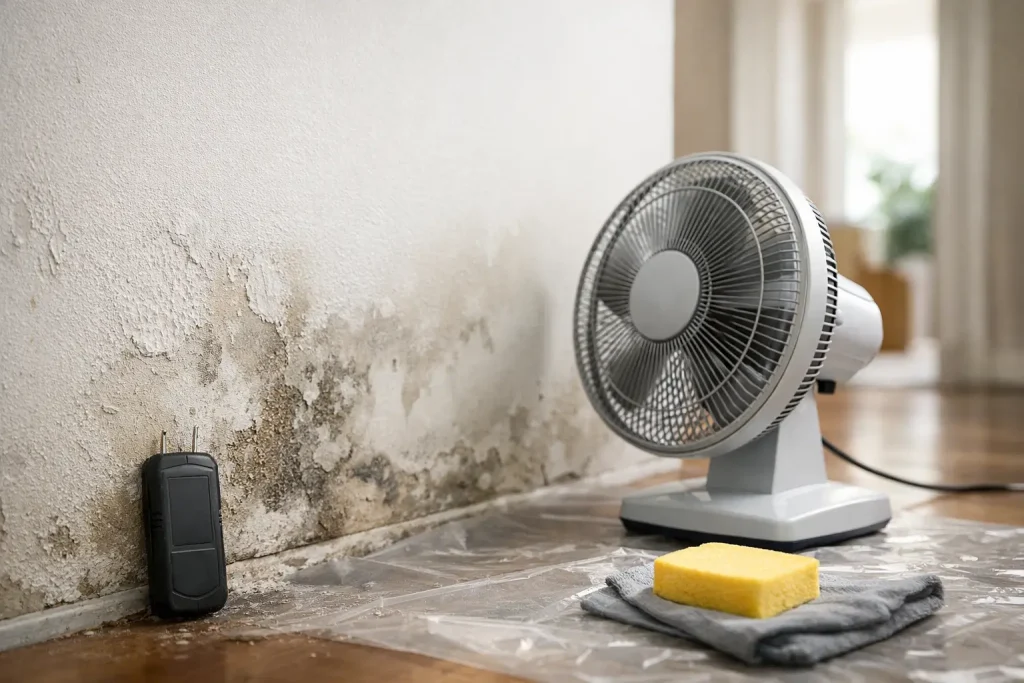
Rising damp generally starts at ground level and moves upwards through porous masonry. Signs commonly include damp patches, flaking paint, crumbling plaster, white salt deposits, a cold wall surface and a horizontal tide mark. The damage is usually concentrated on the lower part of the wall, often up to around 1.5 metres above external ground level.
Condensation is more likely to appear on cold surfaces, around windows, behind furniture and in bathrooms or kitchens. It is linked to moisture in the air. A dehumidifier can help manage that airborne moisture, but it does not stop water travelling up from the ground through a wall.
Before starting any drying plan, check for obvious defects too: leaking pipes, overflowing gutters, cracked render, damaged roof coverings, blocked drainage and external ground levels bridging the damp-proof course. These need fixing first. No drying system can compensate for an active leak.
Why walls do not dry at the same speed
A brick wall is not a sealed panel. It is made up of masonry, mortar, plaster, paint layers and tiny pores that can hold water. When rising damp has been present for years, the wall may also contain ground salts. These salts attract moisture and can keep the surface looking damp even as the masonry begins to dry.
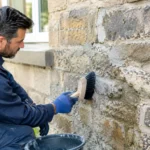
Wall construction makes a major difference. A modern cavity wall may dry more predictably once moisture entry is stopped. A solid Victorian brick wall often holds more moisture across its full thickness. Rubble stone walls, thick basement walls and walls with dense cement render can take longer again.
Finishes matter as much as the wall itself. Breathable lime plaster allows moisture to leave more easily than a dense cement render or multiple coats of impermeable paint. Vinyl wallpaper, non-breathable coatings and damaged gypsum plaster can slow drying and hide what is happening underneath.
Seasonal conditions also affect expectations. Spring and summer generally offer better drying conditions because rooms are warmer and can be ventilated more easily. In winter, drying continues but at a slower pace. Turning the heating very high is not the answer. Stable background warmth and sensible ventilation are more useful than short bursts of intense heat.
Stop the source before you measure drying time
The drying clock only starts when moisture is no longer being drawn into the wall. This is the point many property owners miss.
Air dehumidifiers remove water from room air. They can make a room feel more comfortable and may reduce condensation, but they do not address the electrical potential difference that allows ground moisture to travel through masonry. If rising damp remains active, the wall can continue absorbing water from below while the dehumidifier works on the air around it.
A source-focused treatment should operate continuously and be correctly positioned for the building. GUARDIAN damp removal devices are designed to address rising damp at its stated source, allowing existing moisture in the masonry to return towards the ground through gravity. Once the cause is controlled, the wall can begin its natural drying cycle.
Do not confuse a dry-to-the-touch patch with a dry wall. A proper moisture assessment should compare readings over time and at different heights, rather than relying on one reading or appearance alone.
What to expect during the drying process
The first few weeks
During the first month, you may notice a reduction in stale smells and less coldness at the wall surface. Some marks can look temporarily worse as salts are carried towards the surface during evaporation. This is not always a sign that the treatment has failed. It can be part of the wall releasing stored moisture.
Keep the room gently heated, ventilated and clear around affected walls. Move sofas, wardrobes and storage units a few centimetres away from the wall so air can circulate. Avoid covering the area with plastic sheeting or newly fitted furniture.
One to six months
The wall should show gradual, measurable improvement. Existing plaster may remain damaged, especially where salts have weakened it over a long period. Do not expect damaged plaster to repair itself simply because the wall is drying.
At this stage, resist the urge to cover stains with ordinary emulsion paint. It may look better briefly, then bubble or peel as salts and residual moisture continue to move out. Where redecoration cannot wait, use a suitable breathable finish and accept that further remedial work may be needed later.
Six to twelve months and beyond
Many brick walls show substantial drying within six to twelve months after the moisture source has been dealt with. Thick stone walls, heavily saturated masonry and walls with dense finishes can take a year or more.
Only consider replastering once readings, appearance and conditions have remained stable. If salts have contaminated the old plaster, removing defective material and using an appropriate breathable replacement may be necessary. A dry masonry wall behind salt-damaged plaster can still look poor until the finish is repaired.
How to help a damp wall dry properly
You cannot force masonry to dry instantly, but you can avoid slowing it down. Keep a consistent indoor temperature, open trickle vents where available and ventilate rooms briefly but regularly. Use extractor fans when cooking or showering, especially in ground-floor rooms.
Do not place a portable heater directly against the wall. Rapid surface heating can create a misleading dry skin while moisture remains deeper inside. Likewise, do not rely on a dehumidifier as the cure for rising damp. It has a role where high indoor humidity is present, but it is not a replacement for stopping moisture entering through the masonry.
If you are monitoring the wall yourself, take dated photographs from the same position each month. Record any tide marks, salt deposits, paint failure and moisture readings. This is particularly useful for landlords, managing agents and commercial property managers who need a clear maintenance record.
When a slow-drying wall needs further investigation
If there is no improvement after several months, or damp patches are spreading above the usual rising-damp zone, investigate again. The wall may have more than one moisture source. A leaking pipe, rainwater penetration, condensation or bridged external ground level can continue feeding the problem.
Take particular care with basements and below-ground rooms. These areas can suffer from lateral penetration through surrounding soil as well as rising damp. Their drying pattern is different and they may require a separate waterproofing assessment.
Never ignore black mould, loose electrical fittings, decayed skirting boards or severely crumbling plaster. These are signs that the issue has moved beyond a cosmetic stain and needs prompt action.
A damp wall did not become saturated overnight, so it will not become fully dry overnight either. Stop the moisture at the source, give the masonry time to release what it holds, and repair finishes only when the wall is genuinely ready. That patient approach protects the building and prevents the same damage from appearing again.