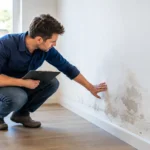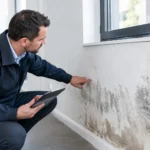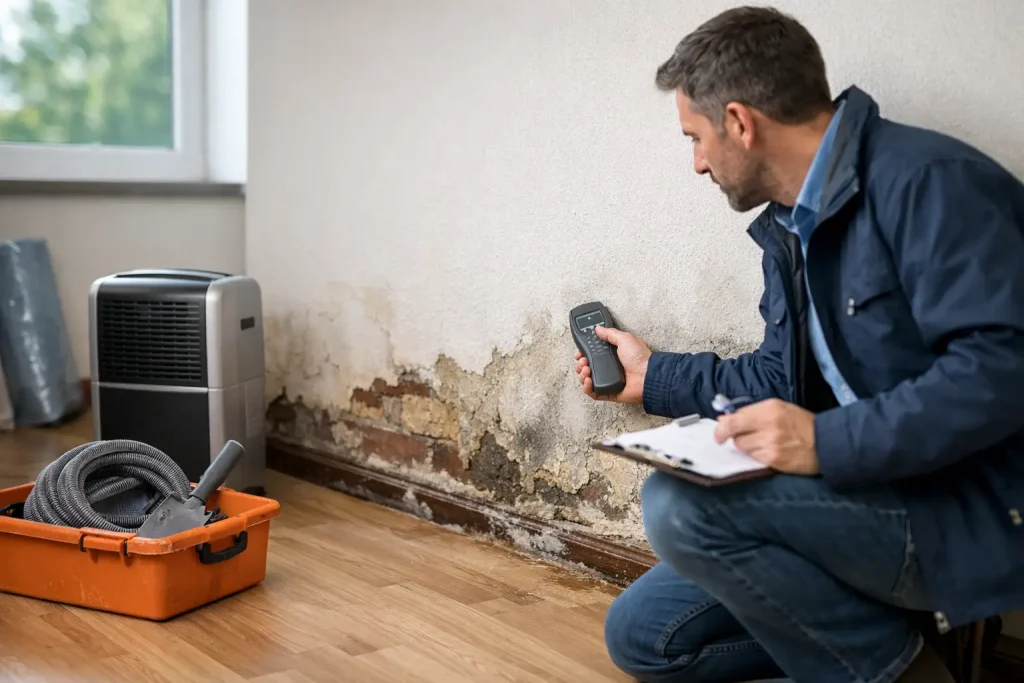
A tenant reports a musty smell in the ground-floor lounge. A few weeks later, paint is bubbling near the skirting board and a white, powdery residue appears on the brickwork. For a landlord, damp is not a cosmetic job to put off until the next void period. It can damage plaster, encourage mould and turn a straightforward tenancy into a repeated maintenance issue. Effective landlord damp solutions start by identifying where the moisture is coming from.
A dehumidifier may make the room feel drier, but it cannot stop moisture rising through a wall from the ground. Repainting may make the wall look better for a short time, but paint cannot remove water held within masonry. If the cause is rising damp, treating the visible surface alone means the problem is likely to return.
Start by separating rising damp from condensation
Not every damp wall is rising damp. This matters because each cause needs a different remedy, and the wrong remedy wastes time, money and tenants’ patience.
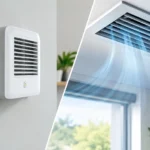
Condensation is airborne moisture settling on cold surfaces. It is common around windows, in bathrooms, behind furniture and in poorly ventilated bedrooms. It often becomes worse during winter, when drying clothes indoors, cooking without extraction or keeping a property underheated. Better ventilation, consistent background heating and sensible moisture control can help.
Penetrating damp comes from outside. It may be caused by a leaking gutter, cracked render, damaged pointing, failed flashing or a pipe leak. Signs often worsen after rain and may appear at any height on a wall. The repair is external maintenance or plumbing work, not a rising-damp treatment.
Rising damp begins at ground level. Moisture can travel from soil into porous masonry and move upwards through the wall. Typical signs include deteriorating plaster, salts, peeling decoration, cold lower walls and damp marks that may reach up to around 1.5 metres. Ground-floor rooms, basements and older properties are frequent problem areas.
A useful rule is simple: if damp is concentrated low down and persists regardless of how much the room is aired, investigate rising damp. Also check for bridged external ground levels, leaking services and defects that could be adding water to the wall. More than one issue can exist at the same time.
Why landlord damp solutions must address the source
Landlords are often offered quick fixes because they are easy to buy and easy to explain. A portable dehumidifier removes moisture from the air. It can be useful after a flood, during drying work or where condensation is genuinely the problem. It does not, however, remove the route through which ground moisture enters brickwork.
There are practical drawbacks too. Dehumidifiers need regular emptying or drainage, filters need attention, and tenants may switch them off because of noise or electricity use. They manage room air, not the moisture path inside a wall.
The same applies to anti-mould paint. It has a place as a finishing treatment once a wall is dry and the cause is controlled. Applied to a wet wall, it can trap the appearance of the problem behind a fresh coating while salts and moisture continue to affect the plaster beneath.
For a landlord with several properties, repeat decoration, complaint visits and short-term hire equipment soon cost more than dealing with the underlying cause. The right approach depends on the diagnosis, but rising damp needs a solution designed specifically for rising damp.
A non-invasive option for occupied properties
Traditional damp work can involve removing plaster, injecting chemicals, stripping finishes and arranging access around tenants’ lives. Sometimes building repairs are necessary, particularly where external defects or severe damaged finishes are present. But disruption is a real consideration in a let property.
An electronic rising-damp system offers a different route. GUARDIAN damp removal devices are designed to address the electrical-potential difference that allows moisture to travel from soil into masonry. Think of the static charge that makes a hairbrush lift hair. The device is intended to neutralise that difference, allowing existing wall moisture to return towards the ground through gravity.
This approach does not rely on drilling into every affected wall or running a noisy appliance in the tenant’s living space. Once installed, the device operates continuously with low power use. It is particularly useful where landlords need an unobtrusive measure for a house, a converted ground-floor flat or a larger managed building.
It is not a substitute for repairing a leaking roof, clearing blocked gutters or fixing a burst pipe. Those faults must be repaired first. The benefit is that, where rising damp is the cause, the treatment is focused on the cause rather than simply drying the air around the symptoms.
Choose coverage before choosing a device
Electronic damp control works by coverage area, much like Wi-Fi. A router placed in the wrong corner may leave rooms with a weak signal. In the same way, a damp-control device needs to be selected and positioned for the size and layout of the building.
For a typical family house, a HOME model may be appropriate. Larger homes, blocks, commercial premises and properties with more complex layouts may need PRO 15 or PRO 25 coverage. The building footprint, wall construction and the location of the affected areas all matter.
Do not choose solely by the size of one damp patch. The purpose is to cover the building area from which rising moisture may be affecting the walls. In a larger property, one undersized device may leave parts of the building outside its effective coverage. Equally, a small, straightforward property does not automatically require the largest model.
Before fitting, measure the property carefully and consider where ground-floor walls, basement areas and external soil contact are located. For portfolio landlords, record the model, installation position and date in the property maintenance file. It makes future inspections and tenancy handovers far easier.
Placement is part of the treatment
A device should be installed centrally for the required coverage, following its product instructions. Avoid treating placement as an afterthought. A cupboard at the far edge of the property, an unsuitable external wall or a position without a proper power supply can compromise the result.
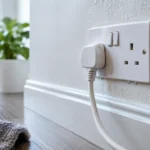
The unit needs a suitable mains connection and should remain powered continuously. Tenants should be told not to unplug it, move it or cover it with coats, boxes or furniture. A brief note in the welcome pack can prevent a simple installation issue becoming an avoidable call-out.
Where a building has separate wings, substantial extensions or unusual construction, assess whether more than one device is needed. The correct setup is always better than an optimistic one.
Set realistic drying expectations
Stopping further moisture movement is the first stage. A wall that has held moisture for months or years will not dry overnight. Drying time depends on wall thickness, masonry type, existing saturation, ventilation, heating and the condition of plaster and decoration.
During this period, salts may remain visible and damaged finishes may still need repair once the wall has dried. That is normal. Redecorating too early can lead to another failed finish, so plan cosmetic work around the drying process rather than rushing it for a new tenancy.
Keep the property reasonably heated and ventilated while the wall dries. This supports evaporation from the wall surface, but it should not be confused with the treatment itself. A dehumidifier can assist with airborne humidity where needed, yet it remains a supporting tool rather than the answer to rising damp.
Protect the property and the tenancy
Damp complaints deserve a documented response. Inspect promptly, photograph the affected areas, ask when the issue started and look for patterns such as rain-related staining, window condensation or low-level salt deposits. This protects tenants from living with an unresolved problem and helps landlords show that maintenance has been handled responsibly.
Avoid blaming lifestyle before checking the building. Drying laundry indoors can increase condensation, but it does not explain salts pushing through plaster near ground level. A fair diagnosis makes tenant conversations more constructive and stops the same repair being repeated at every change of tenancy.
If walls are visibly mouldy, deal with cleaning and safety alongside the moisture source. If plaster is loose, contaminated or badly damaged, arrange suitable repair work once the structure has had time to dry. Damp control and remedial decoration are connected, but they are not the same job.
A dry, stable wall protects more than decoration. It helps preserve the condition of the building, reduces recurring maintenance and gives tenants a home that feels properly cared for. Start with the source, keep the solution running, and let the wall do what it should do: dry out.