Damp that keeps returning to the lower section of a wall is not a problem to paint over. Electronic damp proofing is designed to address rising damp at its source, rather than repeatedly removing moisture from the air and hoping the wall improves.
For homeowners, landlords and property managers, that distinction matters. A dehumidifier may make a room feel drier, but it does not stop ground moisture travelling into masonry. If the cause is rising damp, the wall needs a solution that works continuously – not another appliance to empty, move and run at high cost.
What electronic damp proofing is designed to do
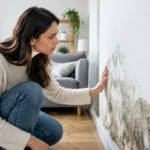
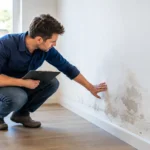
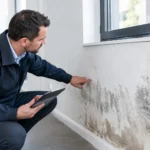
Rising damp affects masonry in contact with the ground. Moisture can move upwards through pores in bricks, blocks, mortar and plaster, often leaving damage up to around 1.5 metres above floor level. You may see peeling paint, crumbling plaster, white salts, dark staining, musty smells or mould close to the skirting.
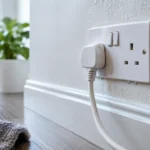
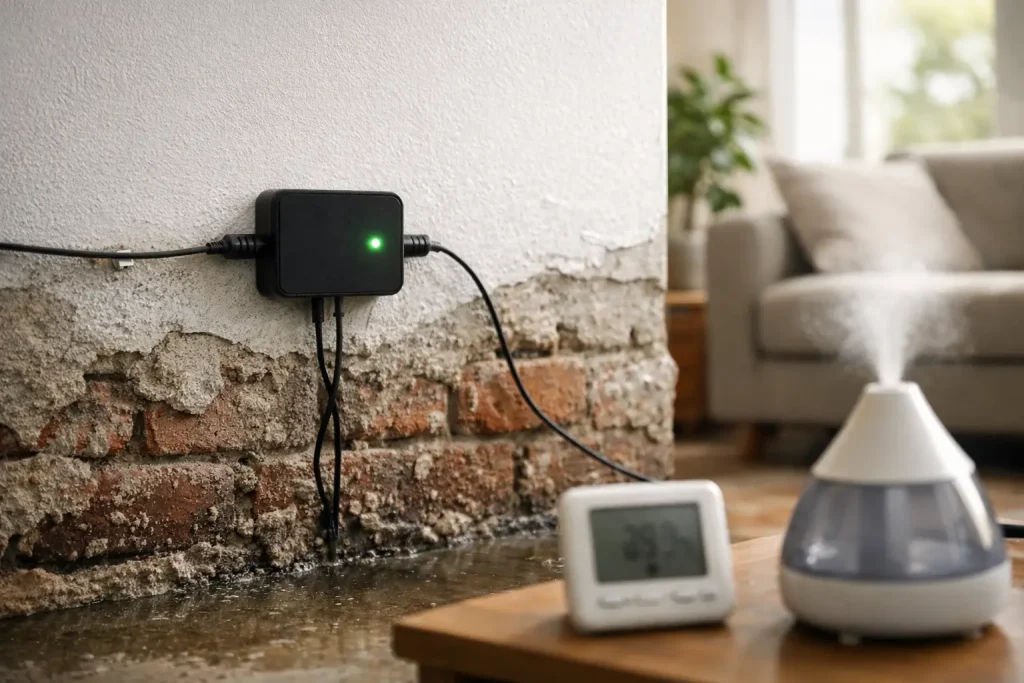
Electronic damp proofing works on the electrical conditions associated with moisture movement in building materials. A plug-in device is positioned to cover the affected area and operates continuously. It is designed to reduce the electrical-potential difference that encourages moisture to travel from the soil into the wall.
A simple way to picture this is static electricity. Rub a balloon or hairbrush and it can attract small pieces of paper. Change that electrical condition and the attraction changes. In a damp wall, the process is more complex, but the principle is similar: the device is intended to change the conditions that allow moisture to move upwards through the masonry.
Once further upward movement is reduced, existing moisture can gradually move back down through the wall under gravity. The drying process takes time because a solid wall cannot dry overnight. That is normal and far more useful than hiding the damage for a few weeks.
First, make sure it is rising damp
Not every damp wall has the same cause. This is where many property owners waste money. Condensation, leaking gutters, broken drainpipes, failed pointing, bridging from external ground levels and plumbing leaks can all create damp patches that look serious.
Rising damp is most likely when the damage starts at low level and rises gradually, particularly on ground-floor walls, basement walls or walls in elevated ground-floor spaces. Salt deposits, deteriorating plaster and a visible tide mark can also point to moisture being drawn up from below.
A room that becomes wet mainly after showers, cooking or drying clothes indoors is more likely to have a ventilation and condensation problem. A localised damp patch that worsens after rainfall may indicate an external defect. Electronic damp proofing is not a substitute for repairing a leaking pipe, clearing a blocked gutter or fixing a roof defect. Those faults must be dealt with first.
The practical rule is straightforward: identify where the water is coming from before choosing a remedy. If moisture is entering from the ground through masonry, electronic treatment may be appropriate. If water is entering from elsewhere, correct that route first.
Why a dehumidifier is not a rising-damp cure
Dehumidifiers have a place. They can reduce airborne humidity, help with drying laundry and make condensation-prone rooms more comfortable. But they treat the air, not the source of moisture within a wall.
When a wall is drawing moisture from the ground, a dehumidifier can become a costly cycle. It removes some moisture from the room, the damp wall releases more, and the machine continues to run. The wall may feel less wet at the surface, yet the underlying cause remains active.
Electronic damp proofing takes a different approach. It is intended to stop the upward movement first, then allow the building fabric to dry gradually. That makes it a practical option where you want a non-invasive response without chemical injection, extensive replastering or disruptive building work.
There is still a trade-off. Drying walls may reveal old salt contamination or damaged finishes that need attention later. Repainting too early can trap moisture or lead to fresh blistering. Give the masonry time to dry, then repair plaster and redecorate when the wall condition supports it.
Choosing the right device coverage
Coverage matters as much as the device itself. Think of it like a Wi-Fi router: the unit needs to be placed so its operating range reaches the walls that need protection. A small family house and a large commercial property do not have the same coverage requirement.
GUARDIAN devices are selected by building size and required coverage. THE HOME model is intended for typical family houses, while PRO 15 and PRO 25 models are suited to larger residential and commercial premises. For extensive layouts, long buildings or properties with separated sections, more than one device may be needed so that all affected walls fall within the required coverage area.
Before choosing a model, consider the footprint of the building, not only the size of the visible damp patch. Rising damp may affect walls beyond the room where staining is most obvious. Include ground-floor rooms, basement areas and adjoining masonry that sits at or below external ground level.
Thick internal walls, extensions and unusual layouts also deserve consideration. If you manage a block, retail unit, office or older multi-room property, plan coverage carefully rather than assuming one central device will suit every area.
Placement and installation: keep it simple
Electronic damp proofing is designed to be a self-install solution, but placement should be deliberate. Choose a central position that gives the best practical coverage of the affected masonry. Keep the device accessible and connect it to a suitable mains supply according to the product instructions.
Do not hide it behind dense metal furniture, place it inside a metal cabinet or install it where it can be knocked, soaked or disconnected. The device needs to remain powered continuously. Switching it off stops the treatment, so avoid sockets controlled by wall switches or timers.
The installation itself is simple. The more important job is preparing the property properly: repair active leaks, remove obvious bridging where external soil or paving sits too high against a wall, and improve ventilation where condensation is adding to the problem.
Avoid rushing to strip every wall immediately. Photograph the affected areas before installation and monitor them over time. This gives you a clear record of tide marks, staining and plaster condition as drying progresses.
What to expect while walls dry
Patience is part of effective damp management. A wall that has held moisture for years needs time to release it. The drying rate depends on wall thickness, construction type, weather, ventilation, heating habits, existing plaster and the level of saturation.
During this period, salts already carried into plaster may continue to show at the surface. This does not automatically mean the treatment has failed. It may be evidence of historic moisture moving out of the wall fabric. Loose, contaminated or badly damaged finishes may need to be removed and renewed once the masonry has dried sufficiently.
Keep rooms reasonably heated and ventilated. Do not rely on a dehumidifier as the cure for rising damp, but it can be used temporarily to manage high room humidity while the building dries. The key is to separate moisture in the air from moisture coming through the wall.
Check progress in sensible intervals, not every day. Look for a gradual reduction in dampness, fewer fresh marks, firmer plaster and a lower, less distinct tide line. If damp worsens after rain or remains concentrated around a pipe, reassess the diagnosis and inspect for another source of water.
Continuous protection is the point
A rising-damp solution should not demand constant attention. Once correctly selected, placed and left powered, electronic damp proofing provides continuous operation with low energy use. There are no water tanks to empty and no daily settings to manage.
That simplicity is valuable in rental properties, holiday lets, managed buildings and homes where damp has already become a recurring maintenance problem. Protect the building fabric first, allow it time to dry, and only then spend money restoring the finishes. A dry wall is the proper starting point for every repair.