Damp marks that keep returning after cleaning are not a decorating problem. They can be a sign that moisture is being drawn upwards from the ground into the masonry. Effective rising damp treatment starts by identifying that cause, rather than repeatedly drying the air or painting over the damage.
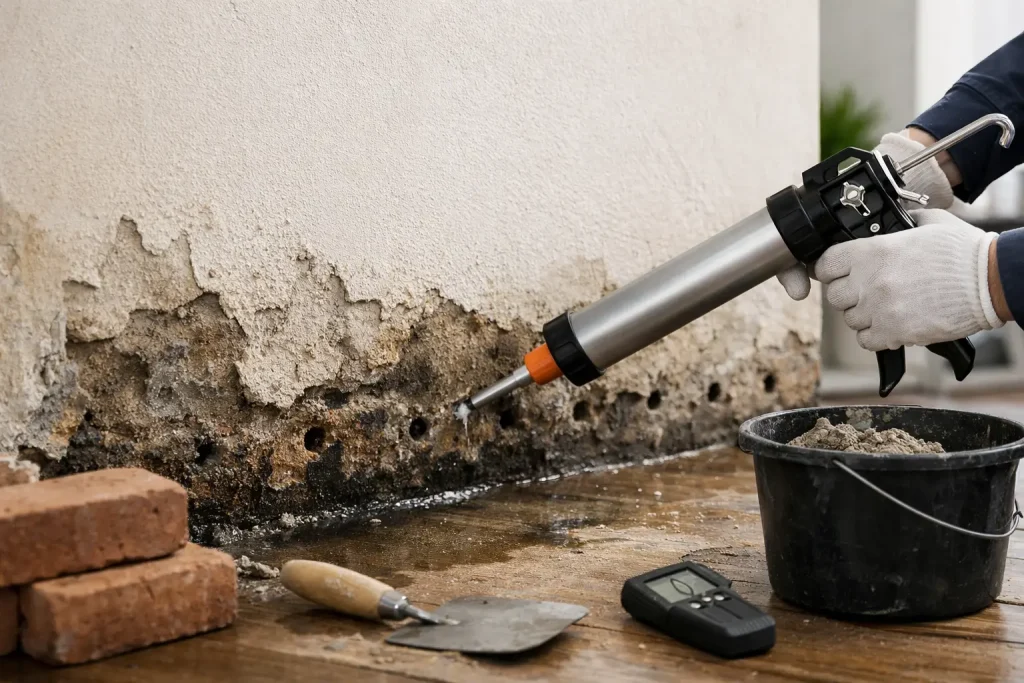
If moisture is rising through a wall, the visible effects are often confined to the lower section – usually up to around 1.5 metres above ground level. The wall may feel cold, plaster may crumble, paint can blister and salts may leave a white, powdery residue. A musty smell and mould can follow where the wall remains damp.
First, confirm it is rising damp
Not every damp wall has rising damp. Condensation, leaking gutters, damaged pointing, plumbing leaks and ground levels that bridge the damp-proof course can create similar symptoms. Treating the wrong problem wastes time and money.
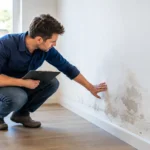
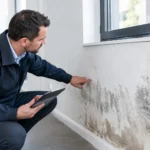
Rising damp is most likely where the damage begins at floor level and travels upwards in a fairly even pattern. You may see a horizontal tide mark, flaking decoration, deteriorating skirting boards or salt deposits on internal plaster. Ground-floor rooms, cellars and older properties are common locations, but elevated ground floors can also be affected.
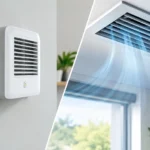
Condensation behaves differently. It usually forms on colder surfaces, around windows, in corners and behind furniture, particularly in kitchens, bathrooms and bedrooms. A portable dehumidifier can help manage humid air and condensation. It does not stop ground moisture moving through masonry.
That distinction matters. If the issue is moisture entering from below, the treatment must address the electrical potential that allows moisture to travel upwards through the wall.
Why air dehumidifiers do not cure rising damp
An air dehumidifier removes water vapour from the room. That can make a space feel more comfortable and may reduce surface mould, but it works on the air, not the wall’s source of moisture.
Think of it as mopping water from a floor while the tap is still running. The room may look drier for a while, yet the wall can continue drawing moisture from the ground. This is why some property owners empty a dehumidifier every day but still see peeling paint, salts and damp plaster returning.
A proper rising damp treatment should stop the upward movement first. Once this movement is interrupted, moisture already held in the wall needs time to return downwards naturally and evaporate safely. Drying is gradual because brick, stone and plaster retain a great deal of water.
How electronic rising damp treatment works
Masonry contains tiny capillaries, much like narrow drinking straws. In affected buildings, an electrical-potential difference can encourage groundwater to move upwards through these capillaries. Electronic damp-control devices are designed to counteract this effect, allowing wall moisture to move back towards the ground under gravity.
The principle is easier to understand using static electricity. A hairbrush can attract small pieces of paper because of an electrical charge. Moisture movement in masonry is not identical, but the underlying idea is familiar: electrical forces can influence behaviour. A correctly selected electronic device creates a low-energy field through the building, helping to neutralise the potential difference linked with rising moisture.
This is a non-invasive approach. There is no need to inject chemicals into every affected wall, strip large areas of plaster simply to install a system, or run a high-energy appliance continuously to dry the room air. The device is fitted once, left powered and allowed to work continuously.
Choosing the right device for the building
Coverage matters. A device must be chosen for the size and layout of the property, not simply the room where damp is most visible. Walls connect across a building, and the electrical field needs to cover the relevant area.
For a typical family house, the GUARDIAN HOME model is designed for domestic coverage. Larger homes, multi-unit residential buildings and commercial premises may require PRO 15 or PRO 25 models, depending on the building footprint and the required coverage radius.
In irregular buildings, long extensions, thick internal walls or separate sections can affect how coverage should be planned. One larger unit is not always the best answer. In some cases, more than one device gives more reliable coverage. Treat placement much like positioning a Wi-Fi router: central positioning is normally best, while dense masonry and distance can weaken reach.
Placement and installation: keep it simple
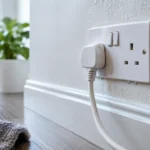
The device should be installed in a central location within the area being protected, ideally on an internal wall. It needs a permanent mains supply and should remain switched on continuously. Low running costs are one of the practical advantages, but switching the unit off regularly defeats the purpose of continuous protection.
Avoid placing it behind large metal objects, inside a metal cabinet or in a position where it is obstructed by dense building elements. Follow the supplied mounting and electrical instructions exactly, particularly in commercial properties or areas where electrical safety requirements are stricter.
Before installation, take photographs of the affected walls. Record the height of tide marks, staining and damaged plaster. These photographs provide a useful baseline, because drying changes can be gradual and easy to miss from day to day.
What to expect after treatment
A wall that has been damp for months or years will not become dry overnight. The drying period depends on wall thickness, construction type, extent of saturation, ventilation, external weather and whether other defects have also been repaired.
You may first notice that the damp area stops extending. Over time, the wall should begin to dry from the lower areas upwards or show a reduction in the intensity of staining. Existing salt contamination can remain visible even after the wall has started drying, because salts are left behind in plaster and decoration.
Do not rush to replaster or redecorate immediately. If damaged plaster is heavily contaminated with salts or has lost its strength, it may need replacing once the wall has had sufficient time to dry. Using breathable finishes can also be sensible during the drying period, as they allow moisture to leave the masonry rather than trapping it beneath an impermeable coating.
Good ventilation supports drying, but ventilation alone is not a rising damp cure. Open windows when practical, avoid pushing large furniture tight against cold affected walls and keep rooms reasonably heated. These steps help the wall dry more evenly after the source has been addressed.
Do not ignore related building defects
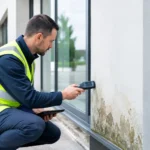
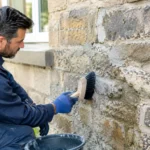
Electronic treatment should sit alongside sensible property maintenance. Check gutters, downpipes and external drainage for leaks or blockages. Make sure outside ground levels have not been raised above the damp-proof course. Look for cracked render, failed pointing, leaking pipes and damaged roof drainage.
These defects can introduce extra water into the wall and make any damp problem appear worse. Rising damp treatment works best when the building is not also being soaked by a leaking gutter or bridged by soil, paving or debris.
For landlords and facilities managers, this is especially useful. A clear maintenance record, dated wall photographs and a planned drying period make it easier to show that the cause has been addressed rather than merely hiding the symptom before a tenant inspection.
Give the wall time to recover
Persistent damp can make a property feel neglected, cold and difficult to manage. The practical answer is not to keep buying moisture collectors or running an air dehumidifier around the clock. Diagnose the moisture route, stop the upward movement and give the masonry time to dry.
A correctly chosen, centrally placed device offers a straightforward route to ongoing protection. Keep it powered, maintain the outside of the building and judge progress over months, not days. That is how a damp wall gets the chance to become a dry, usable wall again.