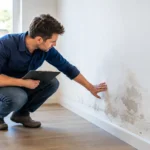
A damp patch behind the sofa is not just an annoyance. Left alone, it can lead to peeling paint, ruined plaster, musty odours and mould in the room you use every day. So, is it rising damp or condensation? The answer matters because the wrong remedy can leave you spending money while the wall continues to deteriorate.
Condensation is moisture from the air settling on cold surfaces. Rising damp is moisture moving up from the ground into masonry. They can look similar at first, particularly in a cold ground-floor room, but their patterns are very different.
Is It Rising Damp or Condensation? Start With Location
The quickest clue is where the damp appears. Condensation commonly shows on cold surfaces: window panes, external corners, behind large furniture, around window reveals and high on outside-facing walls. It is often worse in bedrooms, kitchens, bathrooms and rooms where clothes are dried indoors.
Rising damp begins at ground level. It travels up through brickwork, stone or plaster from moisture in the soil beneath or beside the building. The damage is usually concentrated on ground-floor walls, basement walls and elevated ground-floor spaces. It may rise from the skirting line to roughly 1 to 1.5 metres high, rather than appearing at ceiling level.
A useful rule is simple: if the wall is wet or damaged low down in a fairly even horizontal band, investigate rising damp. If moisture forms mainly on cold surfaces and varies with cooking, showering, drying laundry or cold weather, condensation is more likely.
The Signs of Rising Damp
Rising damp leaves evidence that ordinary airborne humidity does not. Look closely at the lower section of the wall rather than judging the room by smell alone.
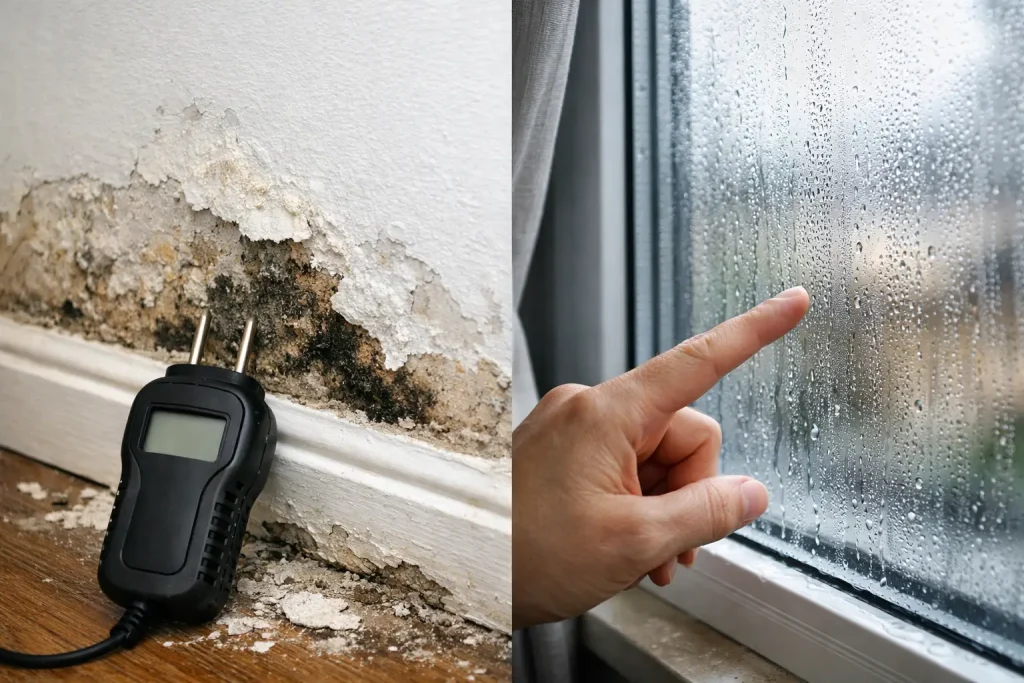
You may see a distinct tide mark, blistering paint, wallpaper lifting near the skirting boards, soft or crumbling plaster, and staining that does not disappear when the weather improves. White, powdery deposits are another strong warning sign. These are salts carried into the wall as ground moisture moves through the masonry and evaporates.
Skirting boards can become rotten or pull away from the wall. The wall may feel cold and damp to the touch, even when the room is heated. In severe cases, plaster can break down completely near floor level.
Do not assume every low-level damp mark is rising damp. A leaking pipe, damaged gutter, blocked drain, high external ground level or a bridged damp-proof course can all put moisture into the same area. That is why the pattern of damage and a few basic checks are more useful than a quick guess.
Check the outside wall too
Walk outside and compare the affected internal wall with the ground level outdoors. Soil, paving, decking or render that sits too high can allow moisture to bypass the building’s damp protection. Damaged pointing, overflowing gutters and cracked downpipes can also saturate masonry.
If the problem worsens after heavy rain, external water entry needs attention first. Rising damp is generally persistent rather than appearing only after a storm. Fixing defects outside protects the wall, but it will not by itself resolve moisture that is already travelling up through the structure.
The Signs of Condensation
Condensation is driven by everyday moisture in the air. A family showering, cooking, breathing overnight and drying washing indoors can release litres of water vapour into a property. When that warm, moist air meets a cold wall or window, water settles on the surface.
The classic signs are water on windows in the morning, black mould in corners or behind wardrobes, mildew around silicone seals, and damp-feeling fabric or furnishings. Unlike rising damp, condensation does not usually create a salt line or cause plaster to fail in a consistent band from the floor upward.
It often changes with the season. The problem can be much worse during winter, when windows stay shut and external walls are colder. It may reduce when ventilation improves, heating is used more evenly or moisture-producing activities are controlled.
A dehumidifier can help lower humidity and make a room feel more comfortable. It is useful where condensation is the cause, especially while ventilation improvements are being made. But it does not stop moisture entering a wall from the ground. If you are emptying a dehumidifier every day while the lower wall continues to stain and crumble, you are treating the air, not the source of the wall damp.
Simple Checks Before You Choose a Remedy
Start by moving furniture a few centimetres away from external walls. If black mould is concentrated behind a wardrobe but the wall is sound elsewhere, trapped air and condensation are likely contributors. Clean visible mould safely, improve airflow and watch whether it returns.
Next, inspect the height of the damage. Take photographs and measure from the floor to the highest point of staining, loose plaster or salt deposits. A consistent low-level pattern on several ground-floor walls is a serious rising-damp warning.
Then consider timing. Does the patch worsen after baths, cooking or drying clothes? Does it appear during cold spells and improve with ventilation? Those clues point towards condensation. Does it remain through changing weather, with salts and deteriorating plaster at the base of the wall? That points towards moisture within the masonry.
Finally, rule out obvious defects. Check pipework, gutters, drains, roof edges and external ground levels. A building can have more than one moisture problem, so do not force every symptom into a single explanation.
When Both Problems Are Present
It is common for rising damp and condensation to exist in the same property. A damp wall is colder than a dry wall, making it an easy surface for condensation. Then the mould and surface moisture can distract from the deeper issue below.
In that situation, open trickle vents where fitted, use extractor fans during showers and cooking, avoid drying clothes in unventilated rooms, and maintain steady background heat where practical. These steps reduce airborne moisture. They are worthwhile, but they should sit alongside a remedy that addresses ground moisture if the wall shows the signs of rising damp.
Avoid sealing a damp wall with paint or applying a cosmetic mould treatment as the only response. Moisture trapped behind a surface coating can continue to damage plaster and masonry. The aim is to identify where the water is coming from, then stop or manage it at that point.
Choosing the Right Long-Term Action
For condensation, the priority is moisture control, ventilation and warmer surfaces. The right balance depends on how the room is used and how well the property is insulated. A bathroom needs effective extraction; a bedroom may need better background ventilation and less furniture pressed against external walls.
For rising damp, focus on the wall and its connection to the ground. Correct any external bridging or water defects first. Then choose a damp-management approach designed for the size and layout of the building, rather than relying on an air dehumidifier to dry a structure that is still receiving moisture.
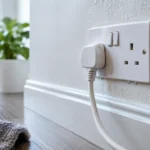
GUARDIAN devices are designed to address rising damp at its stated source, operating continuously with low power use and without disruptive wall work. Correct placement matters: think of coverage in the same way as a Wi-Fi router. The device must be selected for the building type and coverage area, then positioned to serve the affected structure effectively.
Do not expect damaged plaster, salts and old paint to repair themselves overnight. Once the moisture source is controlled, the wall needs time to dry naturally. Drying time depends on wall thickness, construction, ventilation, heating and how saturated the masonry has become. Damaged finishes may still need removal and replacement after the wall has had time to dry.
If the evidence is mixed, start with the wall pattern rather than the visible mould alone. A dry, warm wall is far less likely to become a recurring problem, and identifying the true source is the first step towards keeping it that way.