A basement wall that feels cold, smells musty and sheds plaster is not simply an inconvenience. If moisture is continually entering the masonry, decoration will fail again and again, salts can damage finishes, and the room may become difficult to use. Rising damp in basement areas needs the right diagnosis before any treatment begins.
The key question is simple: is water travelling up from the ground through the wall, entering through an external defect, or forming as condensation on a cold surface? These problems can look similar, but they do not have the same solution.
What rising damp in a basement looks like
Rising damp is ground moisture moving upwards through porous brick, blockwork, mortar or stone. As the water evaporates from the wall surface, it can leave salts behind. These salts draw in more moisture and can continue damaging plaster even after the wall starts to dry.
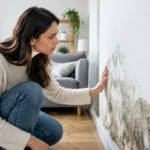
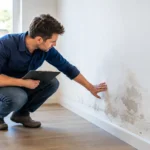
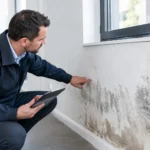
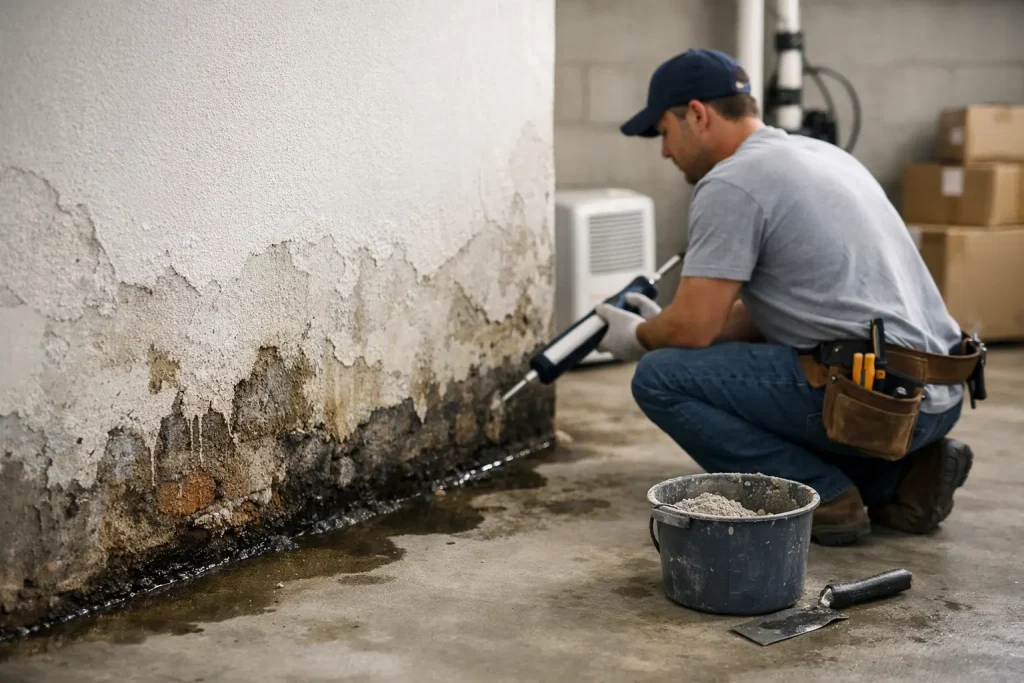
The usual signs appear from floor level upwards, often reaching around 1.5 metres. Look for a tidemark, flaking paint, bubbling wallpaper, crumbling plaster and white salt deposits. Skirting boards may swell, soften or show fungal growth. The wall can feel colder than the surrounding surfaces.
Basements need extra care because their walls are partly or fully below outside ground level. This means a basement can have more than one moisture source at once. A low-level damp band may indicate rising damp, while wet patches higher on the wall could point to rain penetration, failed external drainage or groundwater pressure. Treating every damp wall as rising damp is a costly mistake.
First, rule out leaks and condensation
Before choosing a remedy, inspect the pattern of moisture. A plumbing leak is often localised and may worsen after using a bathroom, washing machine or heating system. Water entering through an outside defect often becomes worse after heavy rain and may appear around cracks, air bricks, windows, gullies or external ground levels.
Condensation behaves differently. It forms when warm, moisture-laden air meets a cold surface. You may see droplets on windows, black mould in corners, or dampness behind furniture where air cannot circulate. It is common in a cellar used for laundry, storage or living space without enough ventilation.
A standard air dehumidifier can reduce moisture in the air and may help with condensation. It does not stop moisture being drawn into masonry from the ground. If the wall is receiving water from below, removing airborne humidity only manages part of the problem. It can also become an expensive routine of emptying tanks and running equipment without addressing the source.
Why basement conditions make damp harder to manage
A basement naturally sits in the coolest part of a building. Cool walls dry more slowly, especially where they are covered with dense paint, cement render, vinyl wallpaper or furniture. Poor airflow then traps moisture at the surface.
External ground levels also matter. Soil, paving or flower beds should not bridge the damp-proof course in an above-ground wall. Blocked gutters and downpipes can saturate the ground next to the property. In a basement, poor drainage around the building can increase the moisture load against below-ground walls.
This is why there is no one-size-fits-all repair. A basement with active water ingress may need drainage, waterproofing or structural work before it can become a dry habitable room. But where the diagnosis points to rising damp in masonry, the aim is to stop the upward movement of ground moisture rather than repeatedly redecorating over the symptoms.
A practical approach to drying the walls
Start by removing obvious sources of water. Repair leaking pipes, clear gutters and gullies, and make sure external drainage directs water away from the building. Do not seal damp walls behind new plasterboard or paint them with a waterproof coating before understanding where the moisture is coming from. Concealing a wet wall can trap damage out of sight.
Next, allow the affected wall to breathe while it dries. Remove loose, salt-contaminated plaster where necessary and keep furniture slightly away from cold walls. Gentle background ventilation helps, but avoid relying on open windows alone in humid weather, as this can bring more moisture into a cool basement.
Drying takes time. Masonry does not dry in a weekend, particularly in an older property with thick walls. Expect visible improvement gradually, then plan plaster and decoration only when the wall has had time to stabilise. A moisture-resistant finish may be appropriate after the cause has been controlled, but it is not a substitute for controlling that cause.
Controlling the source of rising damp
For properties affected by rising damp, a non-invasive electronic damp-control device may be a practical alternative to disruptive building work. GUARDIAN devices are designed to operate continuously, using low electrical power to address the electrical-potential difference that can allow moisture to travel from soil into masonry.
The principle is easier to understand than it sounds. Think of static electricity from a hairbrush: electrical forces can influence movement without visible wires or moving parts. The device is installed within the building, then creates a field intended to counter the upward movement of moisture. Once that movement is reduced, existing moisture can begin returning down through the wall under gravity and the masonry can dry naturally.
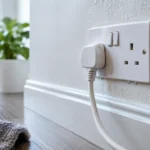
Correct placement matters. Like a Wi-Fi router, coverage depends on where the unit is positioned and what needs to be covered. The device should be installed centrally for the affected building area, on an internal wall where possible, and connected to a suitable mains supply. It must remain powered continuously. Switching it off overnight or when the property is empty interrupts the protection.
For a family home, the HOME model is intended for domestic coverage. Larger houses, converted properties, commercial premises and buildings with wider floor areas may require a PRO 15 or PRO 25 model. In more complex buildings, placement and coverage should be considered before purchase, especially where there are thick internal walls, separate wings or multiple levels.
What not to do with a damp basement
Do not assume a fresh coat of paint has solved the issue because the wall looks better for a few months. Damp salts can push new paint and plaster away from the masonry once moisture returns.
Do not install expensive flooring, fitted storage or finished wall linings against an actively damp surface. These materials can conceal deterioration and create ideal conditions for mould and fungal odours.
Do not use a dehumidifier as the only answer to a wall that is damp from floor level upwards. It can be useful while drying a room or controlling condensation, but it is not designed to stop rising damp at the source.
Finally, do not ignore basement damp because the room is only used for storage. Persistent moisture can spread to adjoining ground-floor walls, damage stored belongings and reduce the usefulness and value of the property.
When a basement needs specialist investigation
Seek further investigation if water is flowing through walls or floors, if dampness sharply worsens after rainfall, or if there are visible cracks and signs of movement. These conditions may indicate water penetration or structural issues rather than rising damp alone.
The same applies where a basement is being converted into a bedroom, office or living room. Habitable basement conversions need a complete moisture-management plan, including waterproofing where required, ventilation, insulation and safe electrical work. Rising damp control can be one part of that plan, not a replacement for dealing with active groundwater ingress.
A dry basement starts with being honest about the source. Check the simple defects, identify the damp pattern, and choose a remedy that deals with moisture where it begins. That gives the wall the time and conditions it needs to dry properly – and gives you a room worth using again.