Cold, stained walls are not just unpleasant to look at. Left untreated, rising damp can bring peeling paint, crumbling plaster, salt deposits, musty smells and mould into rooms you use every day. So, are electronic damp devices safe? When the device is correctly specified, installed as instructed and used for a genuine rising-damp problem, a plug-in electronic system is designed to be a safe, low-energy, continuous way to manage moisture in masonry.
The key word is correctly. An electronic damp device is not a substitute for safe electrical practice, repairing a leaking gutter or investigating a plumbing fault. It is a targeted solution for moisture rising from the ground through walls. Start with the cause, then choose and position the device properly.
Are electronic damp devices safe to run continuously?
A purpose-designed plug-in electronic damp device is made for continuous operation. That is essential: rising damp does not stop because the device has been switched off overnight. The system works continuously to address the electrical-potential difference associated with moisture travelling from soil into the masonry, allowing existing moisture to return downwards through gravity as the wall dries.
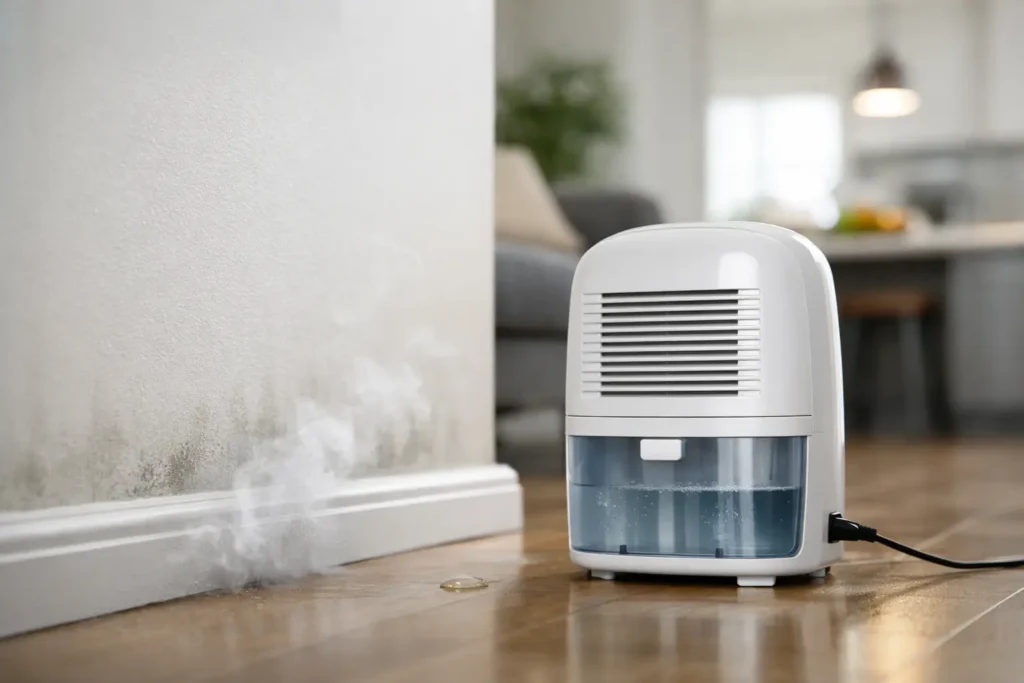
Unlike a portable dehumidifier, it does not collect water in a tank, use a compressor or need emptying. It is not designed to heat the room or dry the air. This means there is no standing water container to spill, no regular filter-cleaning routine and no need to keep doors and windows shut for it to work.
That does not mean every plug-in product is automatically suitable. Use a device supplied for the building type and coverage required, follow its electrical instructions, and do not alter the plug, cable or casing. If a unit, lead or socket appears damaged, switch it off at the socket and arrange a proper inspection rather than trying to repair it yourself.
What makes an electronic damp device safe?
Safety comes down to three practical areas: the product, the socket and the installation location.
First, use a device intended for damp treatment in buildings, not an unverified gadget with vague claims and no clear installation guidance. A supplier should explain what the device is for, how much area it covers, where it should be fitted and what you should expect while walls dry.
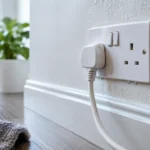
Second, use a suitable mains socket in sound condition. Avoid overloaded extension leads, loose sockets and trailing cables across floors or doorways. The plug should remain accessible so the unit can be isolated if required. If you have any concern about the condition of your property wiring, ask a qualified electrician to inspect it before adding any electrical appliance.
Third, place the device in the recommended central position for the building or affected area. Electronic damp systems work across a coverage radius, in much the same way that a Wi-Fi router needs sensible placement to reach the spaces around it. Hiding a unit in a cupboard at one far end of the property, behind dense metal storage or in a location that conflicts with the manufacturer’s instructions can reduce its effectiveness.
For larger premises, coverage matters as much as safety. A family house may suit a home model, while a larger residential block, commercial property or wide footprint may need a higher-capacity system or more than one unit. Choosing too little coverage is not dangerous, but it can leave damp areas untreated and create the false impression that the technology has failed.
The safety question starts with correct diagnosis
Not every damp patch is rising damp. This is where homeowners and landlords can waste money, or worse, delay a repair that needs urgent attention.
Rising damp usually begins at ground level and moves upwards through a wall, often leaving visible damage up to around 1.5 metres. You may see tide marks, powdery salts, bubbling paint, damaged skirting boards and plaster breaking down close to the floor. Ground-floor rooms, basements and elevated ground-floor spaces are common problem areas.
Condensation behaves differently. It is caused by moisture in indoor air settling on colder surfaces and is often most visible around windows, in corners, behind furniture and in poorly ventilated bathrooms or bedrooms. A dehumidifier may help reduce airborne humidity and condensation, but it does not address moisture being drawn from the ground into masonry.
Penetrating damp also needs a different remedy. A roof defect, cracked render, blocked gutter, failed pointing, leaking pipe or high external ground level can let water into the wall from outside or from a service leak. No electronic damp device should be expected to solve an active leak. Repair that defect first.
If the pattern is unclear, obtain a proper damp assessment. This is especially sensible in older properties, listed buildings, properties with recent alterations, or where wall damage appears high above ground level. The safest decision is never to force one solution onto every damp problem.
Safe installation: keep it simple
Electronic systems are designed to be straightforward, but simple does not mean careless. Before installation, read the supplied instructions and confirm that the model is appropriate for the property’s footprint and building use.
A safe setup normally means:
- fitting the unit in the recommended central area, at the stated mounting height or position;
- connecting it directly to a suitable mains socket without modifying the equipment;
- keeping the cable protected from crushing, water exposure, trip hazards and excessive heat;
- leaving the device powered continuously, unless instructions or an electrician tell you otherwise; and
- retaining the installation guidance and proof of purchase for the property record.
Do not install electrical equipment where it could be directly splashed, submerged or exposed to a known leak. If the affected room is a bathroom, plant room, cellar or another location with unusual moisture exposure, follow the device instructions carefully and seek electrical advice where needed.
For landlords and facilities managers, record where each device is installed, which area it covers and the date it was commissioned. This makes maintenance planning easier and helps future occupants understand why the device should remain connected.
What to expect as walls dry
A safe device should not produce dramatic overnight changes. Masonry holds a great deal of moisture, especially where rising damp has been present for years. Drying takes time and varies with wall thickness, construction, ventilation, external weather and the amount of moisture already in the fabric.
Do not turn the device off simply because paint looks better after a few weeks. Continuous operation supports the long-term result. Equally, do not redecorate damaged walls too early. Plaster and finishes may need time to dry fully, and salt-contaminated surfaces may require suitable remedial work before a new finish will last.
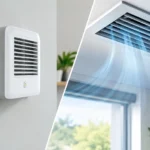
During the drying period, sensible ventilation remains useful. Open windows when conditions allow, use extractor fans in kitchens and bathrooms, and avoid drying large amounts of washing indoors without ventilation. These measures manage condensation while the electronic device addresses rising damp at its stated source.
Energy use and everyday reassurance
Many property owners worry that another appliance running all day will create a large electricity bill or become a fire risk. The right comparison is not with a high-demand dehumidifier that cycles on and off to dry room air. An electronic damp device is intended to operate with low power consumption while providing continual coverage.
Still, treat it as you would any mains-powered equipment. Check the plug and lead occasionally, keep the socket area clear, and never cover the unit with clothes, boxes or furnishings. If your consumer unit trips after installation, do not repeatedly reset it and carry on. Disconnect the device and have the circuit and appliance checked.
GUARDIAN electronic damp removal devices are designed as a non-invasive option for property owners who need continuous rising-damp management without major building disruption. The correct model and placement remain central to both performance and peace of mind.
When not to rely on an electronic damp device alone
Call in the right trade where there is an active water issue, serious structural deterioration, widespread mould affecting occupants, damaged electrics, or evidence that water is entering from roofs, drains, pipes or external walls. In those cases, controlling the source of water comes first.
Also take extra care where occupants have respiratory conditions and mould is extensive. Remove the moisture cause, improve ventilation and arrange safe cleaning or specialist remediation where necessary. Painting over mould or plugging in a dehumidifier may hide the symptom briefly, but it does not make the room healthy.
A damp wall is giving you useful information about the building. Read the pattern, rule out leaks and condensation, then use the right continuous treatment for genuine rising damp. That approach protects the property, avoids unnecessary disruption and gives the wall its best chance to dry properly.