A damp wall in a shop, office, warehouse or managed block is not just an appearance issue. It can mean crumbling plaster, salt marks, musty odours, mould and repeat decorating costs. This commercial wall moisture guide helps you identify whether moisture is rising from the ground, entering from outside, leaking from services or forming through condensation – because the right remedy depends on the cause.
Start with the moisture pattern
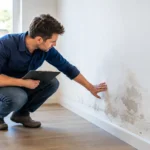
Rising damp has a recognisable pattern. Moisture is drawn from the soil into the masonry and generally shows on ground-floor or lower-ground walls. Damage often begins at floor level and rises upwards, commonly reaching up to around 1.5 metres. You may see flaking paint, loose plaster, a cold wall surface and white, powdery salts left behind as water evaporates.
A commercial building can hide this problem for years. A storage rack may cover the lower wall. A reception fit-out may conceal bubbling paint. In vacant units, poor ventilation can add condensation on top of an existing rising-damp problem, making diagnosis more confusing.
Do not judge the cause from one damp patch alone. Look at its height, location and behaviour. A consistent tide mark along a ground-floor internal wall points towards rising damp. A patch that becomes worse after heavy rain may indicate defective gutters, pointing, roof coverings or external render. Damp concentrated around a radiator, pipe run or washroom is more likely to be a plumbing leak.
Rising damp is different from humid air
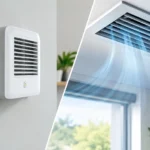
Air dehumidifiers remove water from the air. They can be useful where a room has high humidity from showers, drying clothes, cooking, poor ventilation or occupation. They do not stop moisture travelling up through masonry from the soil.
That distinction matters in commercial premises. A dehumidifier may make a room feel drier and reduce surface condensation, but it is treating the airborne symptom. If rising damp is feeding water into the wall continuously, the masonry remains the source of the damage.
Think of it this way: condensation sits on a cold surface when warm, moist air meets it. Rising damp begins inside the wall at the bottom and moves upwards. Both may create mould, but they need different action. Running several dehumidifiers against an untreated rising-damp issue can become an expensive routine without solving why the wall is wet.
Check the building before choosing a remedy
A sensible inspection starts outside, then moves indoors. Check that ground levels have not been raised against external walls. Soil, paving, planters and stored materials should not bridge protective details at the base of the building. Clear blocked gutters and downpipes, and make sure rainwater is directed away from the wall.
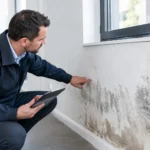
Inside, inspect the lower sections of external and internal ground-floor walls. Note where paint is lifting, plaster is soft or salts are visible. Check adjoining rooms too. Rising damp can affect more than one area, particularly in older, larger buildings with connected masonry.
Also rule out obvious leaks. Is there a water supply, waste pipe, heating pipe or appliance behind the affected area? Has the water meter moved when the building is unoccupied? A leak can imitate damp, but it is normally more localised and may worsen quickly.
For premises with tenants, record the date, photographs and location of each sign. This makes it easier to establish whether damage is spreading, seasonal or linked to a specific event. It also helps separate a building-fabric issue from a ventilation issue caused by how a space is used.
A commercial wall moisture guide to device coverage
Where the diagnosis points to rising damp, the aim is to address the moisture movement in the wall rather than repeatedly dry the room air. GUARDIAN damp removal devices are designed to work continuously from a normal electrical supply, helping existing wall moisture return down through the masonry by gravity.
Device selection is based on the size and layout of the premises, not simply the number of visible damp patches. Larger commercial areas need suitable coverage across the building. The PRO 15 and PRO 25 models are intended for larger residential and commercial properties, while the HOME model is for family houses.
Coverage works more like a Wi-Fi router than a portable heater. Placement is central to effective reach, and thick walls, extensions, changes in level and separate building sections can affect how a signal travels through a property. A long, divided building may need more than one device even if the damp is visible in one end.
Before installation, sketch the floor plan. Mark the affected walls, thick structural walls, extensions, basements and areas separated by fire doors or major partitions. This gives you a practical basis for choosing the correct model and deciding whether a single unit can cover the full area.
Place the device where it can protect the building
A rising-damp device should be installed in a central, accessible position for the part of the building it is intended to cover. Avoid placing it in an isolated corner, behind dense metal storage, inside a cupboard or in a location that only serves a small annex. It needs a permanent power supply and should remain switched on continuously.
For a commercial property, choose a location that will not be unplugged during cleaning, refurbishment or a tenant changeover. A locked plant room can work if it is central and within the intended coverage area. A socket behind a removable display unit is less practical, even if it appears central on a plan.
Do not turn the device off because the wall looks better after a few weeks. Drying takes time. Masonry that has held moisture for years cannot become dry overnight, and thicker walls, dense finishes, cold weather and severe saturation all affect the drying period. The key is continuous protection while the wall gradually releases existing moisture.
Manage the drying period properly
As the wall dries, salts already present in plaster can continue to show. Old paint may still peel, and damaged finishes may need repair once the wall has had time to stabilise. Redecorating too early can trap moisture or lead to fresh blistering, creating the impression that the original problem has returned.
Keep normal ventilation in use and maintain reasonable background heating where appropriate. This supports evaporation from internal surfaces, but it does not replace treatment of rising damp at source. Avoid lining a damp wall with impermeable materials or pushing stock, furniture and shelving tightly against it. Leave airflow so the surface can dry and so you can monitor progress.
In occupied commercial spaces, plan the work around operations. Move stock away from affected walls, protect electrical equipment and explain to staff why the lower wall area should remain clear. A simple moisture-management plan is often less disruptive than repeated patch repairs, emergency mould cleaning and redecorating between tenancies.
When the answer is not rising damp
Not every wet wall needs a rising-damp solution. A roof leak, failed flashing, cracked render, bridged external ground level or burst pipe needs direct repair first. Condensation needs better control of moisture production, ventilation and cold surfaces. Where more than one issue exists, deal with each one rather than expecting one measure to cure everything.
Be especially careful with basements and below-ground rooms. These can be affected by lateral penetration from surrounding ground, rather than moisture rising from below. Their waterproofing and drainage requirements are different. Similarly, a damp upper-floor wall almost always calls for checks to the roof, gutters, windows, external masonry or internal plumbing before anything else.
The useful question is not, “How do we dry this wall today?” It is, “Where is the water coming from, and how do we stop it returning?” Once you answer that clearly, you can protect the building, plan repairs with confidence and stop damp becoming part of the maintenance cycle.