A correct rising damp diagnosis can save you from repairing the wrong problem. A damp patch is not automatically rising damp, and a dehumidifier can make a room feel drier while moisture is still entering the wall from below. Look at the pattern, the location and what changes after rain or daily use before deciding what to do next.
Rising damp normally affects ground-floor walls, basements and lower-level areas where masonry is in contact with moisture in the ground. The moisture travels upwards through pores in brick, stone, mortar and plaster. It can leave salts behind, damage finishes and create the cold, musty conditions that nobody wants in a home or rental property.
Start With the Height of the Damp
The clearest first clue is where the damage begins. Rising damp starts at or close to floor level and usually forms a horizontal band. It may rise to around 1 to 1.5 metres, although the exact height varies with the wall material, salt contamination, ventilation and how long the issue has been present.
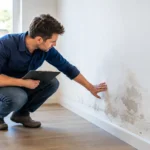
Look for peeling paint, bubbling wallpaper, soft or crumbling plaster, white salt deposits, dark staining and a persistent musty smell. Skirting boards may swell, rot or pull away from the wall. A wall can also feel cold to the touch, especially along the lower section.
A useful check is to compare several walls. If the same low-level pattern appears on internal and external ground-floor walls, the cause is more likely to be connected to moisture below the building than a single local leak.
What Rising Damp Can Be Mistaken For
A reliable rising damp diagnosis means ruling out other moisture sources first. This matters because each cause needs a different remedy.
Condensation
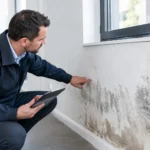
Condensation happens when warm, moisture-laden indoor air meets a cold surface. It is common around windows, in corners, behind furniture and in bathrooms, kitchens and bedrooms. Mould growth is often black or dark grey, rather than the white salts associated with moisture moving through masonry.
Condensation can affect any height of wall, including ceilings. It often becomes worse in winter, after showers, cooking or drying clothes indoors. Improving extraction, heating patterns and ventilation can reduce it. However, those measures will not stop moisture rising through a ground-floor wall.
Penetrating Damp
Penetrating damp enters from outside. Typical causes include cracked rendering, damaged brickwork, overflowing gutters, leaking downpipes, defective pointing or ground levels that direct rainwater towards the building.
The patch may appear higher up the wall or in one isolated area. It often gets worse after heavy rain. Check outside carefully: a blocked gutter or a broken drainpipe can soak a wall repeatedly and look very similar to a more serious internal damp issue.
Plumbing Leaks
A leaking pipe, failed appliance connection or shower tray fault can cause damp at any level. The stain is often concentrated near a bathroom, kitchen, radiator pipe or water supply. If the area becomes wetter when water is being used, investigate plumbing before treating the wall itself.
Bridged or Failed Damp Protection
Many properties have a damp-proof course, but it can be bypassed. External soil, paving, render or debris placed too high against the wall can create a bridge over the protective layer. The outside ground level should generally sit well below the damp-proof course, allowing the wall to remain protected and able to dry.
Older buildings may not have a modern damp-proof course at all, or the existing barrier may no longer perform as intended. This is where low-level moisture patterns deserve closer attention.
Check the Building From Outside In
Before buying equipment or replastering, make a simple inspection. Do it on a dry day and, if possible, look again after rain. Start outdoors, then work indoors.
Check that gutters and downpipes are intact, drains are not overflowing and paving slopes away from the property. Look for cracks in render, missing mortar and air bricks blocked by soil, leaves or stored items. Do not cover air bricks to stop draughts – restricted sub-floor ventilation can create another moisture problem.
Inside, move furniture away from affected walls. Look at the full height of the wall, not just the visible patch. Note whether damage is concentrated at the base, whether salts are present and whether the same issue occurs on neighbouring walls. Take dated photographs. They provide a useful record while the wall dries and help distinguish a changing problem from an old stain.
Why Moisture Meters Are Not a Final Answer
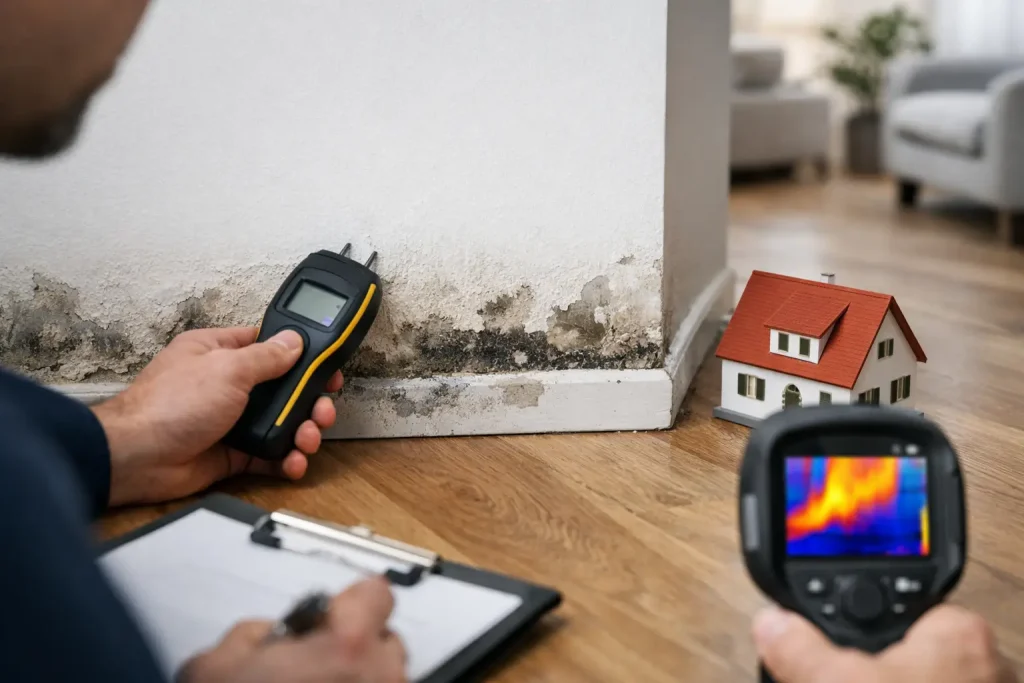
Handheld damp meters are useful screening tools, but they do not diagnose rising damp on their own. Their readings can be affected by salts in plaster, metal fixings, surface moisture and the material being tested. A high reading tells you that the area needs investigation. It does not prove where the water came from.
The same applies to a wall that feels damp. Cold masonry can feel wet even when the main issue is condensation. Conversely, a salt-contaminated wall can continue to give high readings after the original moisture source has reduced.
Use meter readings alongside visible signs, building history and external checks. If the cause remains unclear, arrange an independent survey from a suitably experienced damp and building professional. Ask them to explain the evidence, not simply state a treatment.
When Rising Damp Is the Likely Cause
Rising damp becomes more likely when several signs appear together: a consistent low-level damp band, damaged plaster or skirtings, white salts, no clear plumbing leak, no rain-related pattern and no external bridge or drainage fault that fully explains the damage.
It is also more likely in older solid-wall properties, basements and ground-floor rooms where moisture has a direct route from the soil into the masonry. Elevated ground floors can be affected too, particularly where walls meet lower ground or where external levels have changed over time.
Do not expect one sign to provide certainty. Damp diagnosis is a process of elimination. The more evidence that points in the same direction, the more confident you can be in the remedy.
Do Not Treat the Surface and Ignore the Source
Fresh paint, waterproof coatings and repeated dehumidifier use can hide the symptoms for a while. They do not necessarily stop moisture entering the wall. A room dehumidifier removes water from the air. It is helpful for managing condensation and drying laundry, but it does not address moisture travelling up through masonry from the ground.
If rising damp is confirmed, the priority is to stop the moisture movement at its source, then allow the wall to dry gradually. Drying is not instant. Thick masonry and salt-affected plaster can take months to release stored moisture, especially through colder periods. Ventilation and normal background heating support the process, but do not force it with excessive heat.
Once the wall is genuinely drying, damaged plaster, decorative finishes and timber can be assessed properly. Replastering too early risks trapping salts and moisture behind a new finish.
Choose a Remedy That Fits the Building
The right approach depends on the property size, wall construction and confirmed cause. First correct obvious defects such as leaking gutters, high external ground levels or plumbing faults. If moisture is rising from the ground through the walls, choose a solution designed to address that route rather than simply dry the room air.
GUARDIAN damp removal devices are designed for this purpose, using continuous low-energy operation to address the electrical-potential difference associated with moisture movement through masonry. Device choice should match the building coverage required, and placement should follow the supplied instructions so the unit can protect the intended area.
For larger homes, mixed-use premises or commercial buildings, plan coverage before installation. Think of it like Wi-Fi: a router placed in the wrong location may still work, but not where you need it most. A clear central position and the correct model matter.
Know When to Call for Urgent Help
Do not delay if damp is affecting electrics, causing extensive timber decay, producing severe mould, or appearing after flooding. Similarly, seek professional help if you see cracks that may indicate structural movement, suspect a hidden leak, or manage a tenanted property where the condition could affect health or safety.
The practical next step is simple: inspect the outside of the building, map the indoor pattern and rule out leaks and condensation. Once you know whether the wall is wet from rain, indoor air, plumbing or the ground below, you can stop guessing and start giving the property the right protection.