A damp patch on a Victorian stone wall is not just an ugly stain. In a heritage property, the wrong repair can trap moisture, damage original plaster and leave the building worse within a season. The best heritage damp treatments start by identifying where the water is coming from, then choosing a remedy that lets an older wall behave as it was designed to.
Old buildings need a different approach. Their solid brick, stone and lime walls are usually breathable. They take in small amounts of moisture and release it again. Cover them with dense cement, waterproof coatings or modern non-breathable finishes, and moisture may be forced elsewhere – often into timber floors, internal plaster or adjoining walls.
What makes a damp treatment suitable for heritage buildings?
A suitable treatment protects the building fabric rather than simply hiding the marks. It should address the actual moisture source, avoid unnecessary drilling or removal of historic material, and allow masonry to dry gradually.
That last point matters. A wall that has been damp for years will not become dry in a weekend. Salts held in plaster can continue to attract moisture from the air even after the original cause has been dealt with. Expect drying to take time, particularly with thick stone walls, cold north-facing elevations and buildings with limited ventilation.
The treatment also depends on the diagnosis. Rising damp, penetrating damp, plumbing leaks and condensation can all produce damp-looking walls, but they require different action. Installing any treatment before checking the cause is expensive guesswork.
Diagnose the damp before treating it
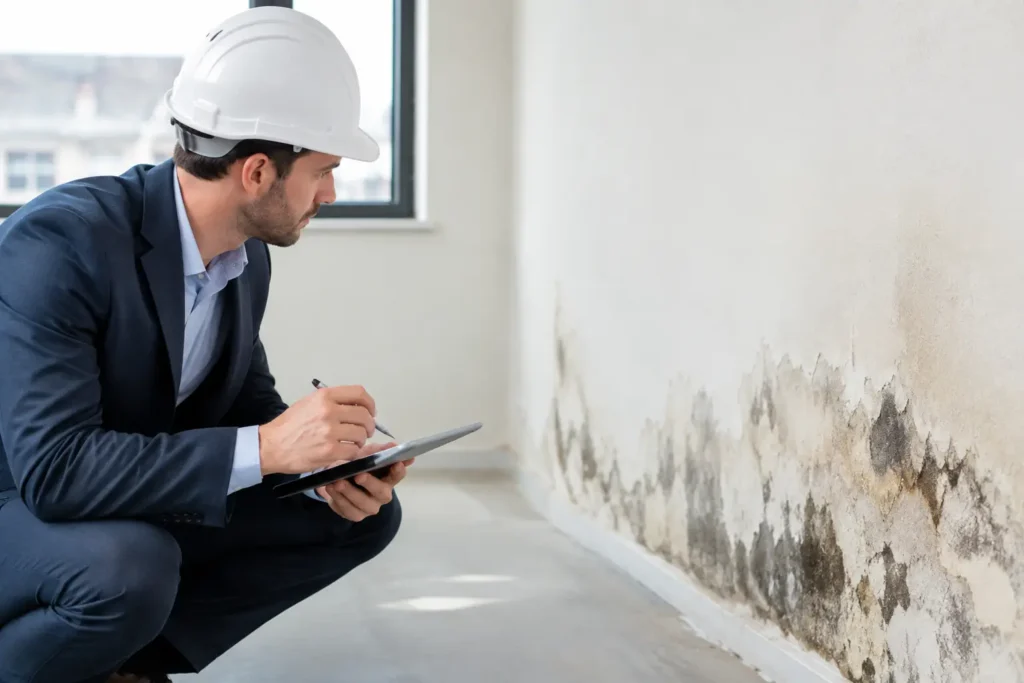
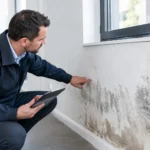
Rising damp normally begins at ground level. It may leave a horizontal tide mark, peeling paint, crumbling plaster or white salt deposits, often rising to around 1.5 metres. Ground-floor rooms can feel cold, and there may be a persistent musty smell.
Penetrating damp is different. It commonly worsens after rain and appears around chimneys, gutters, window reveals, cracked pointing or external ground that has been built up too high. A leaking pipe can cause a local patch anywhere on a wall. Condensation is usually linked to daily activity – showers, cooking, drying clothes indoors and poor airflow – and is often most visible on windows, corners and cold surfaces.
Check outside as well as inside. Clear blocked gutters, repair defective downpipes and make sure external ground levels sit below the damp-proof course where one exists. In a very old property there may be no original damp-proof course at all. Air bricks must remain clear, and hard paving should not bridge ventilation routes beneath a suspended timber floor.
A dehumidifier can make a room feel more comfortable and can help manage airborne humidity. It does not stop water travelling up from the ground into masonry. If the pattern points to rising damp, drying the air is managing a symptom, not the source.
The best heritage damp treatments by cause
1. Repair water entry first
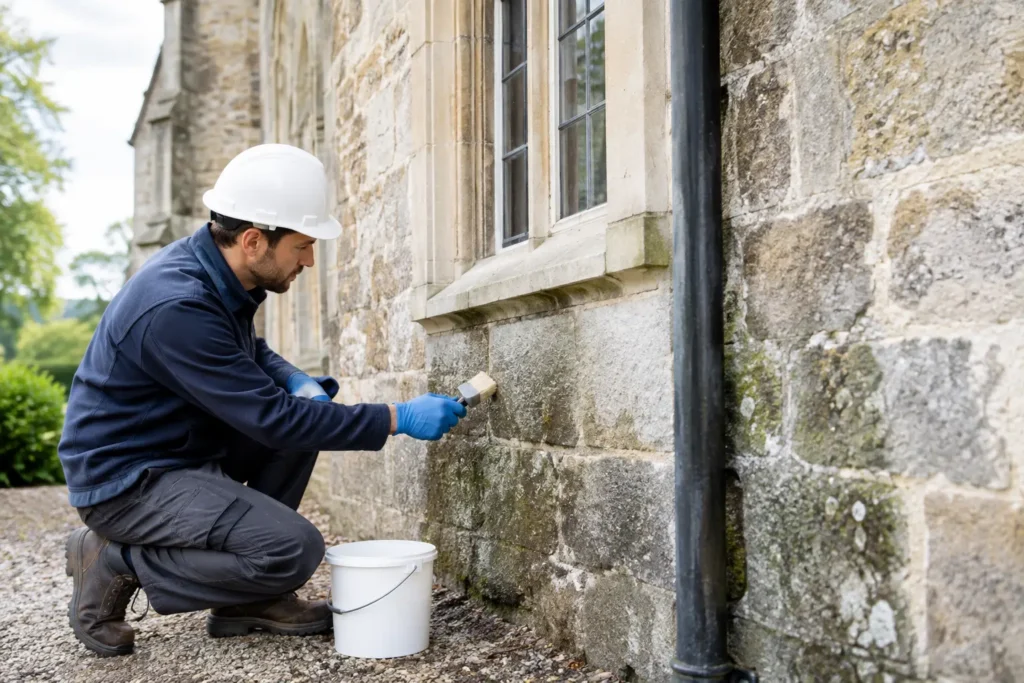
For rain penetration, start with the building envelope. Sound roof coverings, working gutters, correctly detailed flashings and appropriate lime pointing are often the most effective damp treatment available. Cement-rich pointing can crack or hold moisture in softer historic brick and stone; a compatible lime mortar is usually the better choice where conservation requirements allow.
This work is not glamorous, but it is essential. There is little value treating an internal damp patch while rainwater is still running down the face of the wall.
2. Keep solid walls breathable
Where damaged internal finishes need replacement, lime plaster and vapour-permeable paints can support drying. Avoid treating a heritage wall like a modern cavity wall. Waterproof tanking, vinyl wallpaper and dense cement render may conceal the visible evidence for a while, but they can lock moisture into the fabric.
There are exceptions. A below-ground cellar, for example, may need a carefully designed waterproofing system. This is specialist work, because the pressure of water against below-ground walls is not the same problem as rising damp in a ground-floor sitting room.
3. Treat rising damp at its source
Traditional chemical injection damp-proof courses can involve extensive drilling into historic brick or stone. Results can vary where walls are thick, rubble-filled, irregular or already saturated. They may be inappropriate for listed fabric unless a conservation professional has specified the approach.
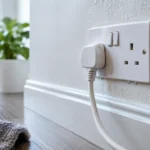
A non-invasive electronic rising-damp treatment is often worth considering for heritage properties because it avoids injecting chemicals into the wall. GUARDIAN devices are designed to operate continuously from a normal electrical supply and address the electrical-potential difference that the system identifies as allowing ground moisture to travel through masonry. Once moisture movement from the ground is reduced, existing wall moisture can dry back down through gravity over time.
The practical advantage is straightforward: no wall cutting, no chemical cream, and no need to strip sound historic finishes simply to install the device. The right model depends on the building size and required coverage. A family house may suit a HOME unit, while larger homes, converted buildings and commercial premises may need PRO 15 or PRO 25 coverage.
Placement matters. Think of the device like a Wi-Fi router: it needs to sit in a sensible central position for the area it is protecting, rather than being hidden in the furthest corner of the affected room. Follow the installation guidance carefully, keep the unit powered continuously and allow enough time for the masonry to dry.
4. Manage salts and damaged finishes after drying begins
Historic plaster often carries hygroscopic salts left behind by old moisture movement. These salts can make a wall look damp even when the original rising damp has been controlled. Do not rush to redecorate over them.
Allow the wall to dry, remove loose or contaminated plaster where necessary, and use compatible breathable materials for repairs. In valuable interiors, seek advice before removing original finishes. A conservation-accredited surveyor or experienced heritage contractor can help distinguish between material that is damaged beyond repair and material that should be retained.
Treatments to approach with caution
Heritage buildings are not automatically fragile, but they are less forgiving of unsuitable modern repairs. Be cautious with waterproof internal paints, injected systems specified without a proper survey, cement render over soft brick, and external ground levels raised against the wall.
Also question any diagnosis based only on a handheld moisture meter. These meters can react to salts and conductive materials in old walls, producing readings that look alarming but do not prove active rising damp. A proper assessment considers the whole pattern: wall construction, location, external drainage, ventilation, salts, rain exposure and the height of the damage.
If the property is listed or lies in a conservation area, check whether proposed changes need consent. Even a practical damp repair should respect the building’s character and original fabric.
A practical plan for homeowners and property managers
Start by recording what you can see. Note the height of marks, whether they worsen after rain, whether they are limited to ground-floor walls, and whether there are cold surfaces or mould elsewhere. Then inspect gutters, drains, ground levels and ventilation.
Next, separate humidity control from rising-damp control. Improve extraction in kitchens and bathrooms, ventilate sensibly and use a dehumidifier where indoor humidity is high. But if moisture is rising from the ground, choose a treatment designed for that specific problem.
For landlords and facilities managers, consistency is especially valuable. A continuous, low-power system can be easier to manage across occupied properties than repeated drying, redecorating and mould cleaning. It also reduces disruption where tenants, customers or staff need rooms to remain in use.
The right heritage damp treatment should leave your building drier without making it less able to breathe. Treat the cause, protect original materials where possible, and give the wall the time it needs to recover.